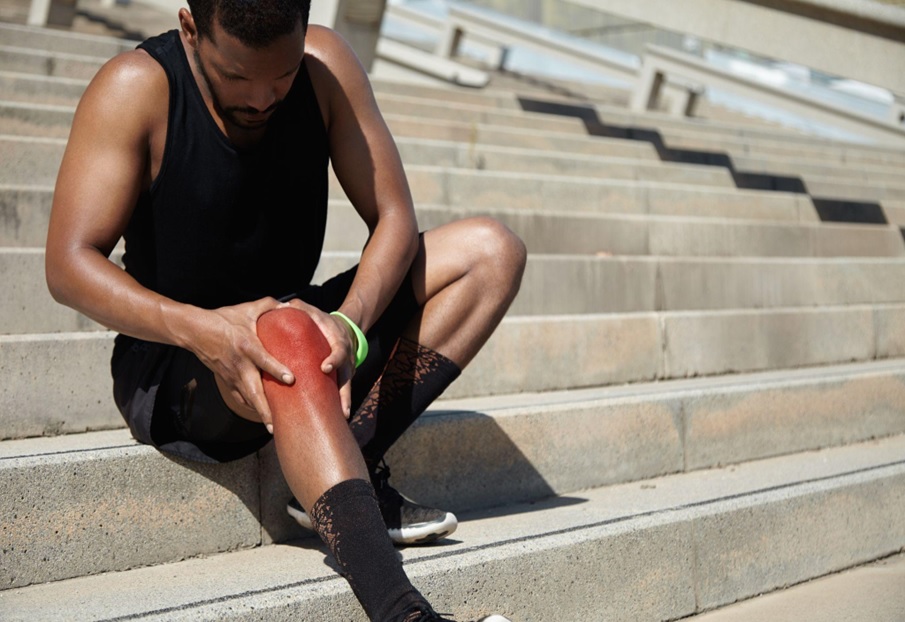
Sport and exercise offer many health benefits, but they also place repeated stress on the body’s joints. Sudden twists, falls, collisions and overuse can all lead to injuries that range from mild sprains to complete ligament tears. Some recover with rest and simple care, while others may need specialist treatment, such as ACL surgery in Singapore for certain knee ligament injuries. Knowing how different joints are commonly affected, and recognising the signs that warrant medical attention, can help athletes and active individuals respond appropriately.
Common Sports Injuries by Joint
Each joint has its own structure and range of movement, which influences the types of injuries it is prone to.
Knee
The knee is one of the most frequently injured joints in sports that involve jumping, pivoting or sudden changes in direction, such as football, basketball and badminton. Common injuries include anterior cruciate ligament (ACL) tears, meniscus tears and patellar tendon problems. An ACL injury is often associated with a popping sensation, rapid swelling and a feeling that the knee is giving way. Treatment can range from physiotherapy to surgical reconstruction, depending on the severity and the person’s activity goals.
Shoulder
The shoulder has a wide range of movement, which also makes it less stable than some other joints. Throwing, swimming and racquet sports can strain the rotator cuff muscles and tendons, while falls or contact sports may cause dislocations or tears in the labrum, the cartilage rim of the socket. Symptoms may include pain when lifting the arm, weakness or a sensation that the shoulder is slipping out of place.
Elbow
Repetitive gripping and wrist movements can lead to overuse injuries around the elbow. Lateral epicondylitis, commonly known as tennis elbow, causes pain on the outer side of the elbow and can affect people who play racquet sports as well as those who perform repetitive tasks at work. Golfer’s elbow causes similar pain on the inner side. Many cases improve with rest and activity modification, but persistent pain may warrant an assessment by a tennis elbow doctor or orthopaedic specialist to explore further treatment options.
Ankle
Ankle sprains are among the most common sports injuries, often occurring when the foot rolls inward during running, jumping or landing awkwardly. Mild sprains may heal with rest, ice and compression, while more severe injuries can involve torn ligaments or fractures. Repeated sprains may lead to long-term instability if not properly rehabilitated. Balance and strengthening exercises are often part of recovery.
Wrist and Hand
Falls onto an outstretched hand can cause wrist sprains or fractures, including injuries to small bones such as the scaphoid, which may not always show up clearly on initial X-rays. Sports that involve gripping, such as climbing or golf, can also strain tendons in the wrist and fingers.
When to Seek Orthopaedic Care
Not every sports injury requires a specialist, but certain signs suggest a medical evaluation is advisable. These include:
- Severe pain, swelling or bruising that develops quickly after an injury.
- Inability to bear weight or move the joint normally.
- A visible deformity or a joint that appears out of place.
- A feeling that the joint is unstable or gives way during movement.
- Numbness, tingling or weakness in the affected limb.
- Pain that persists or worsens despite several days of rest and home care.
Early assessment allows a clinician to confirm the diagnosis, often with the help of imaging such as X-rays, ultrasound or MRI, and recommend an appropriate treatment plan.
Returning to Activity Safely
Recovery timelines vary depending on the injury, its severity and the individual. Following a structured rehabilitation programme, gradually reintroducing activity and addressing factors such as technique, footwear and conditioning can reduce the risk of reinjury. Seeking professional advice when symptoms persist helps ensure that joints heal properly and remain functional for future activity.
Dealing with a sports injury that hasn’t settled? Call Dr. Bryan Tan to arrange a consultation.