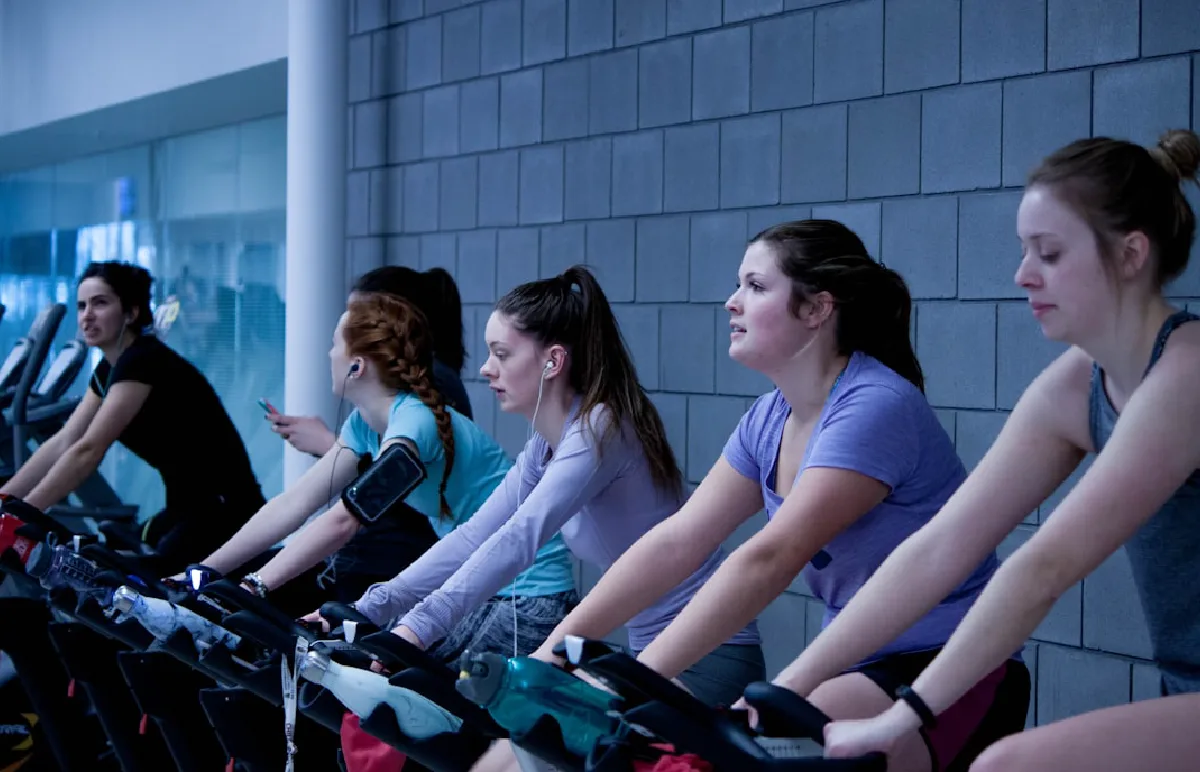
Mental well being has become a growing concern in Singapore, where long working hours, constant connectivity, and performance driven lifestyles place continuous pressure on the mind. While mental health support often focuses on counselling or lifestyle changes, structured physical activity plays a powerful and often underestimated role in emotional balance. Exercise does more than strengthen the body, it directly influences brain chemistry, stress hormones, and cognitive clarity. In this context, spinning classes have emerged as a highly effective way to support mental health through movement that is purposeful, engaging, and sustainable.
Unlike unstructured workouts, spinning sessions follow a guided format that blends rhythm, intensity control, and group energy. This combination creates both physiological and psychological benefits, making spinning particularly effective for managing stress, anxiety, and emotional fatigue.
The Connection Between Movement and Mental Health
Mental health is closely linked to how the nervous system responds to stress. Chronic mental strain can keep the body in a heightened alert state, leading to poor sleep, irritability, low motivation, and difficulty focusing. Physical activity helps regulate this response by activating systems that calm the mind and restore balance.
Spinning classes stimulate both the sympathetic and parasympathetic nervous systems in a controlled manner. Intense pedalling challenges the body, while structured recovery phases signal the brain to relax. Over time, this trains the nervous system to switch more efficiently between effort and calm, which is essential for emotional resilience.
Endorphins, Dopamine, and Mood Regulation
One of the most immediate mental health benefits of spinning comes from its impact on brain chemicals.
Endorphin Release and Emotional Lift
Sustained cardiovascular activity triggers the release of endorphins, which are natural mood enhancers. These chemicals reduce the perception of stress and discomfort, creating a sense of positivity and mental lightness after class. Many participants describe feeling calmer yet energised for hours following a session.
Dopamine and Motivation
Spinning also stimulates dopamine, a neurotransmitter linked to motivation and reward. Completing intervals, maintaining cadence, and reaching personal milestones reinforce a sense of achievement. This is particularly valuable for individuals experiencing low motivation or mental fatigue due to work or life pressures.
Stress Hormone Regulation Through Structured Effort
Cortisol plays a key role in how the body responds to stress. While short term increases in cortisol are normal during exercise, chronic elevation can negatively affect mental health.
Balanced Cortisol Response
Spinning classes are designed with alternating effort and recovery segments. This prevents prolonged cortisol spikes and encourages faster recovery after exertion. Over time, regular participants often experience improved stress tolerance in daily life.
Improved Sleep Quality
Better cortisol regulation contributes to improved sleep patterns. Many riders report falling asleep faster and experiencing deeper rest after consistent indoor cycling, which further supports mental clarity and emotional stability.
Focus, Mindfulness, and Mental Reset
Mental overload often comes from constant multitasking and digital distractions. Spinning offers a structured break from this pattern.
Present Moment Awareness
Following cadence cues, resistance changes, and breathing patterns requires concentration. This focus naturally shifts attention away from work related concerns, creating a form of active mindfulness. The repetitive pedalling rhythm reinforces this effect, helping quiet racing thoughts.
Cognitive Refresh
After class, many participants notice improved concentration and sharper thinking. This mental refresh is linked to increased blood flow to the brain and improved oxygen delivery during exercise.
Social Connection and Emotional Support
Mental health is not only an individual experience, it is also shaped by social interaction.
Group Energy and Shared Experience
Spinning classes provide a sense of community without the pressure of direct interaction. Being part of a group working towards a common goal fosters connection and reduces feelings of isolation, even for those who prefer quieter environments.
Accountability Without Judgement
The structured class setting encourages consistency without comparison. Participants can focus on their own progress while drawing motivation from the collective energy of the room.
Anxiety Management Through Predictable Structure
Anxiety often thrives in uncertainty. The predictable format of spinning classes can be particularly comforting.
Clear Start and End Points
Knowing the duration, structure, and intensity pattern of a class helps reduce anticipatory anxiety. This predictability allows participants to engage fully without worrying about unexpected demands.
Physical Release of Tension
Pedalling against resistance provides a physical outlet for built up tension. Many riders report feeling emotionally lighter after class, as physical exertion helps release stress stored in the body.
Emotional Resilience and Long Term Mental Strength
Resilience is the ability to adapt and recover from stress. Spinning contributes to this by gradually expanding physical and mental capacity.
Building Confidence Through Progress
Noticing improvements in stamina and strength reinforces self belief. This confidence often extends beyond fitness, influencing how individuals approach challenges at work and in personal life.
Healthy Coping Mechanism
Regular exercise offers a constructive way to manage difficult emotions. Instead of suppressing stress or frustration, spinning channels it into purposeful movement that supports both physical and mental health.
Integrating Spinning Into a Busy Lifestyle
Consistency is essential for mental health benefits, and spinning fits well into urban routines.
Time Efficient Stress Relief
A single session can deliver meaningful mental reset within a limited timeframe. This makes spinning practical for professionals who struggle to allocate long periods for self care.
Sustainable Long Term Practice
The ability to adjust resistance and intensity allows participants to train even on low energy days, reducing the risk of burnout.
For those looking to maintain mental clarity while balancing demanding schedules, True Fitness Singapore offers professionally guided indoor cycling sessions that support both emotional well being and physical health in a structured environment.
FAQs on Spinning Classes and Mental Health
Can spinning help reduce anxiety symptoms?
Regular spinning can help lower anxiety by regulating stress hormones, improving sleep quality, and providing a mental break from daily pressures.
How quickly can spinning impact mood?
Many people notice mood improvement after a single session, while more lasting benefits typically develop after two to three weeks of consistent practice.
Is spinning suitable during periods of emotional burnout?
Yes, intensity can be reduced to focus on gentle movement and rhythm. Light sessions can still provide mental relief without overwhelming the body.
Does group exercise improve mental health more than solo workouts?
For many individuals, the shared energy and structure of group classes enhance motivation and emotional connection, which can strengthen mental health benefits.
Can spinning improve focus at work?
Improved blood flow, oxygen delivery, and stress regulation often result in better concentration and productivity following regular sessions.
Should I avoid spinning if I feel mentally drained?
Low energy days can benefit from reduced resistance and slower cadence. Listening to the body helps ensure spinning remains supportive rather than draining.
How many sessions per week support mental well being?
Two to three sessions per week are sufficient for most people to experience noticeable mental health benefits without overtraining.
By combining structured movement, emotional release, and mental focus, spinning classes offer a practical and effective approach to strengthening mental health and emotional resilience in everyday life.