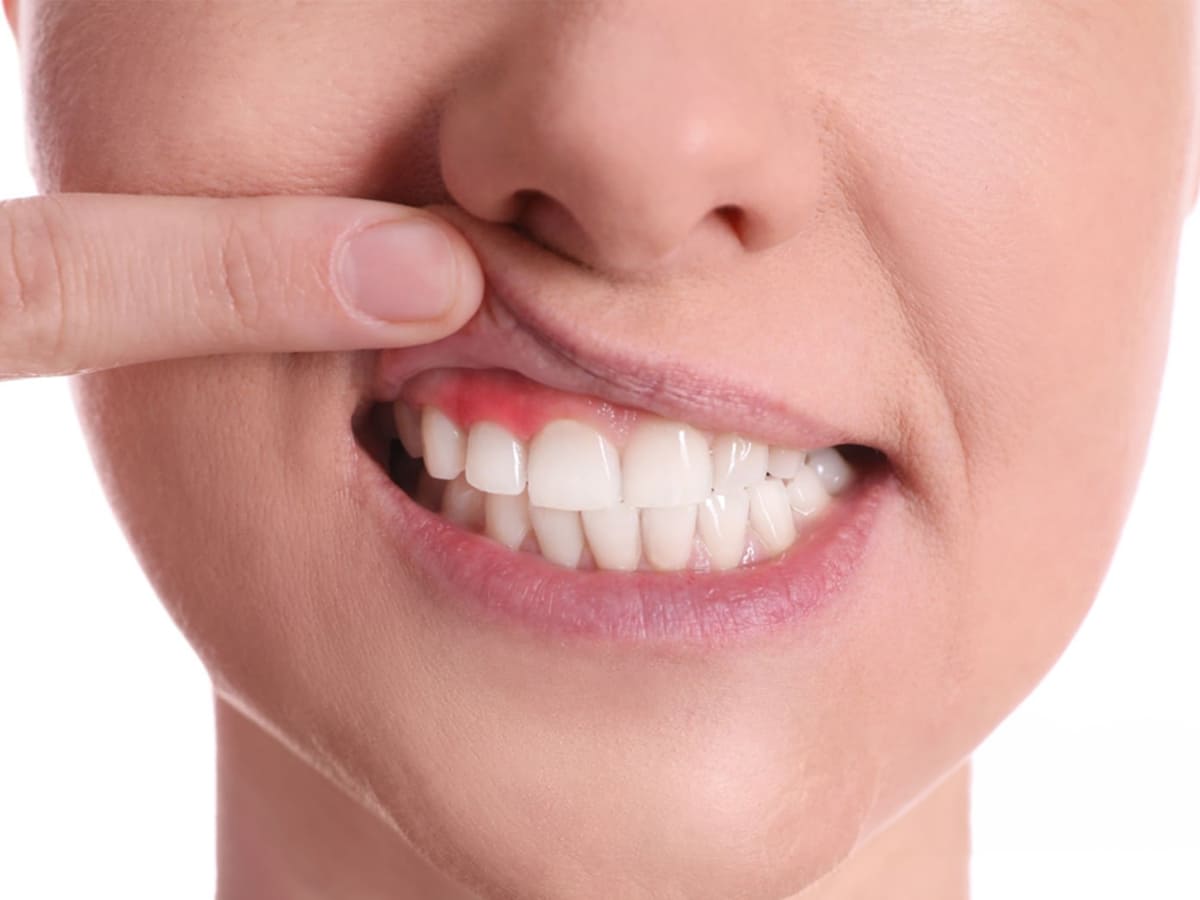
When people think of dental health, their minds almost always jump straight to cavities. We are conditioned from childhood to brush away sugar, avoid acidic drinks, and watch out for the sharp, sudden pain of a decaying tooth. However, there is a far quieter, much more malicious threat to your oral health that often goes completely unnoticed until significant damage has already been done: gum disease.
Periodontal disease, commonly known as gum disease, is a chronic inflammatory condition caused by the accumulation of bacterial plaque on the teeth and along the gumline. In its earliest stage, known as gingivitis, the symptoms can be so mild and painless that they are easily dismissed as a temporary irritation. If left untreated, gingivitis progresses into periodontitis, a serious infection that destroys the soft tissue and bone supporting your teeth.
Because gum disease rarely causes severe pain in its formative stages, millions of people walk around with active infections without realizing it. Understanding the subtle, overlooked warning signs can mean the difference between preserving your natural smile and facing extensive, costly dental surgeries. Here are seven sneaky signs that you might be dealing with gum disease without even knowing it.
1. Your Gums Bleed Only When You Floss
One of the most common excuses dental professionals hear from patients is that they avoid flossing because it makes their gums bleed. This is a classic case of confusing the symptom with the cause. Healthy gum tissue is dense, resilient, and securely attached to the bone. It does not bleed simply from the gentle friction of a piece of wax string or a toothbrush.
If your gums bleed when you brush or floss, it is not because you are cleaning too hard; it is because the tissue is already inflamed. When plaque is allowed to sit along the gumline, the bacteria release toxins that irritate the delicate tissue. The body responds by sending an influx of blood to the area to fight off the infection. This extra blood flow makes the capillaries fragile and prone to rupturing at the slightest touch. Dismissing occasional bleeding as normal is the first step toward allowing gingivitis to escalate into advanced periodontal disease.
2. Your Teeth Look Slightly Longer Than They Used To
If you look in the mirror and notice that your teeth appear elongated, or that the shape of your smile seems different, you are likely not imagining things. Teeth do not grow as we age. Instead, what you are seeing is the result of gum recession.
As periodontal bacteria multiply, they destroy the attachment fibers that hold the gums tightly against the root surface of the tooth. As a defense mechanism against the bacteria, the gum tissue actually pulls back, exposing the roots. This process happens so gradually, fractions of a millimeter at a time, that you may not notice it on a day-to-day basis. Exposed roots not only alter your aesthetic appearance but also lack the protective enamel coating found on the crowns of your teeth, leaving you highly vulnerable to root cavities and structural weakness.
3. Sudden Sensitivity to Hot, Cold, or Sweet Substances
It is common to assume that a sudden flash of pain when drinking ice water or sipping hot coffee indicates a cavity. While tooth decay is certainly a culprit, persistent sensitivity can also be a hidden indicator of underlying gum disease.
When gums recede due to bacterial inflammation, they uncover the cementum, which is the softer material covering the tooth root. Beneath the cementum lies dentin, a layer of tissue filled with thousands of microscopic pathways called tubules. These tubules lead directly to the tooth’s nerve center, the pulp. Without the thick shield of enamel or the protective covering of healthy gum tissue, temperature changes and sugars travel straight down these pathways, irritating the nerve and causing that familiar, sharp ache.
4. Chronic Bad Breath That Resists Mouthwash
Everyone experiences occasional bad breath after eating garlic or waking up in the morning. However, if you find that you have a persistent foul taste in your mouth or bad breath, scientifically known as halitosis, that does not resolve after brushing, flossing, and rinsing with mouthwash, the cause is likely deep-seated gum disease.
The bacteria responsible for periodontal infections thrive in anaerobic environments, meaning environments without oxygen. As gum disease progresses, it creates deep pockets between the teeth and the gums. These pockets become trapped structural zones where bacteria feast on food debris and cellular waste. As these bacteria multiply, they release volatile sulfur compounds, which smell like rotten eggs. Because these colonies are buried deep beneath the gumline, superficial surface cleaning like mouthwash can only mask the odor for a few minutes without addressing the source.
5. Food Constantly Gets Trapped in the Same Spots
Getting a piece of steak or a popcorn kernel stuck between your teeth occasionally is a normal part of eating. However, if you suddenly find that food is consistently wedged in the exact same spots every single time you eat, it could point to a structural change in your gum architecture.
Healthy gums form a sharp, firm triangle of tissue between each tooth called the interdental papilla. This tissue acts as a natural physical barrier, preventing food from sliding into the spaces between teeth. As gum disease destroys this tissue, the firm triangles flatten out or disappear entirely, leaving open spaces often referred to by dentists as black triangles. These spaces act as structural food traps, creating a vicious cycle where trapped debris feeds the very bacteria that caused the tissue loss in the first place.
6. A Change in the Way Your Teeth Fit Together
Your teeth are not permanently fused into your jawbone like concrete; they are held in place by a sophisticated network of living fibers called the periodontal ligament. When advanced gum disease sets in, the chronic inflammation destroys both this ligament and the surrounding alveolar bone that locks the tooth roots into position.
As the underlying support structures degrade, teeth can begin to shift, tilt, or drift apart. You might first notice this sneaky sign during meals, realizing that your upper and lower teeth do not bite down together the way they used to, or that your jaw feels slightly misaligned when you close your mouth. This shifting is a critical red flag indicating that the bone loss has reached a dangerous threshold.
7. Your Gums Are Puffy, Dark Red, or Shiny
Healthy gum tissue has a specific appearance: it is firm, matte, and exhibits a pale, coral-pink coloration. It should tightly hug the contours of your teeth.
When an active infection is present, the visual characteristics of the tissue change dramatically, though the shift can be so uniform across your mouth that you might miss it. Inflamed gums lose their firm texture and become spongy or puffy. The increased vascularity turns the tissue from a healthy pink to a dark crimson or purplish hue. Additionally, because the tissue is swollen and stretched taut over the inflammation, it loses its natural stippled, orange-peel texture and takes on a smooth, unnatural shine.
Frequently Asked Questions
Can gum disease be reversed once it reaches the advanced stage?
The earliest stage of gum disease, gingivitis, is completely reversible because it only affects the soft tissue. With professional dental cleanings and meticulous at-home oral hygiene, the inflammation can be completely resolved. However, once it progresses to periodontitis, the bone and ligament structural support structures are permanently lost. At this stage, the disease cannot be reversed, but it can be managed, stabilized, and arrested through specialized periodontal therapies to prevent further deterioration.
Why do my gums seem completely painless even though they are bleeding?
Unlike tooth decay, which quickly reaches the internal nerve of a tooth and causes acute pain, periodontal bacteria primarily target the supporting soft tissues and bone. The chronic inflammation associated with gum disease numbs the localized nerve responses, and the pressure built up by the infection is naturally released when the fragile capillaries bleed. This lack of pain is why periodontal disease is frequently referred to by dental professionals as a silent killer of smiles.
How does a dentist accurately measure the progression of gum disease?
Dentists and dental hygienists use an instrument called a periodontal probe, which features tiny millimeter markings. They gently insert this thin tool into the space between your tooth and gumline to measure the depth of the pocket. In a healthy mouth, these pockets measure between one and three millimeters. Pockets that measure four millimeters or deeper indicate that the tissue has detached from the tooth, signaling active gum disease.
Is gum disease contagious through kissing or sharing utensils?
While gum disease itself is an inflammatory reaction and not a direct infection you can catch like a cold, the specific bacteria that trigger periodontal disease can indeed be transferred through saliva. If you routinely share utensils, cups, or kiss someone with severe, untreated periodontal disease, you can introduce these destructive bacterial strains into your own oral microbiome. If your oral hygiene is lacking, these bacteria can rapidly colonize and accelerate your own risk of developing the condition.
Can using an electric toothbrush fix gum disease on its own?
An electric toothbrush is an excellent tool that removes significantly more plaque than a manual toothbrush, making it highly effective at treating and preventing early gingivitis. However, if the disease has progressed to periodontitis and created deep pockets beneath the gumline, no toothbrush can reach deep enough to clear out the hardened tartar deposits. You must seek professional mechanical intervention, such as scaling and root planing, to clean those deep areas.
How is gum disease linked to systemic health issues like heart disease?
The mouth is not isolated from the rest of your body. The chronic inflammation and massive bacterial colonies associated with advanced gum disease can enter the bloodstream through the damaged, bleeding capillaries in the mouth. Once in the systemic circulation, these bacteria and inflammatory proteins can attach to blood vessels, increasing the formation of arterial plaques, elevating the risk of cardiovascular disease, strokes, and complicating blood sugar management for individuals living with diabetes.
