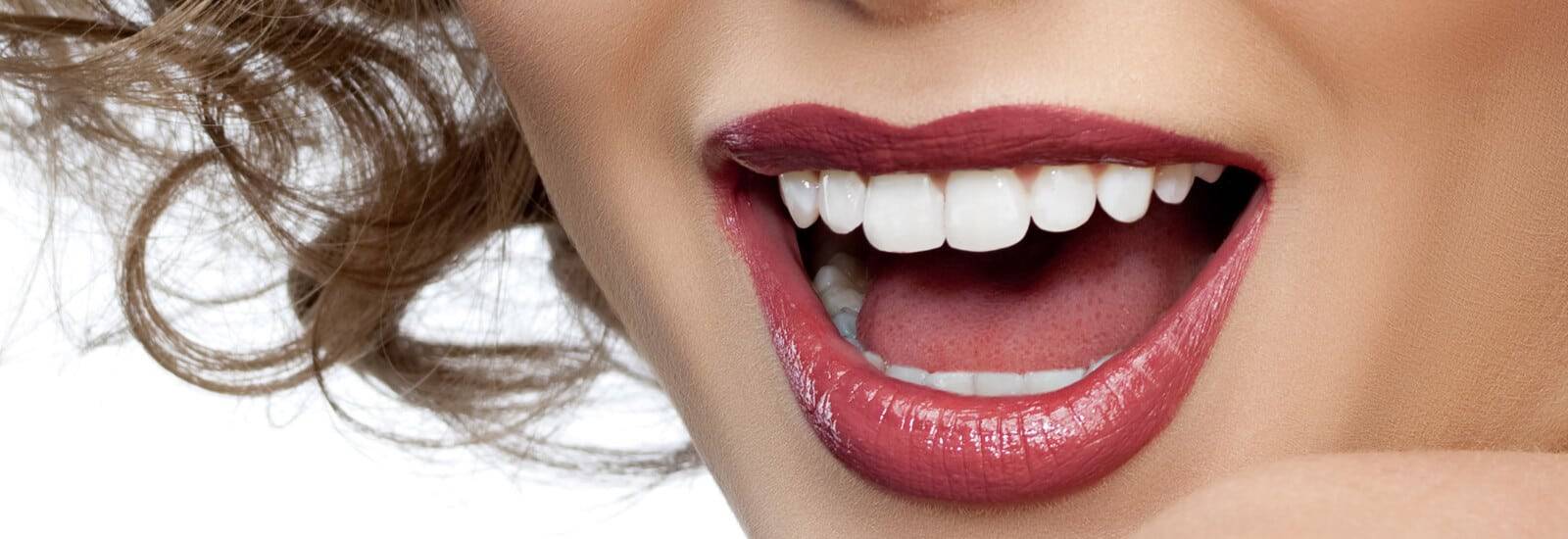
A bright, radiant smile is often associated with health, youth, and confidence. Over time, however, daily habits take a toll on our teeth. The consumption of coffee, tea, red wine, and certain foods, along with natural aging and tobacco use, can cause teeth to lose their luster, shifting from a bright white to shades of yellow or gray.
The desire to reverse this discoloration has turned teeth whitening into one of the most requested cosmetic dental procedures in the United States. Today, consumers face an overwhelming array of choices, broadly divided into two categories: professional treatments administered by a dentist and over-the-counter at-home options. Navigating these choices requires an understanding of how teeth whitening works, the differences in active ingredients, and the balance between cost, speed, and safety. This comprehensive guide breaks down both options to help you choose the best approach for your smile.
The Science Behind Teeth Discoloration and Whitening
To choose the right whitening method, it helps to understand why teeth stain in the first place and how whitening agents counteract this process. Tooth discoloration is categorized into two main types: extrinsic and intrinsic stains.
Extrinsic Stains
Extrinsic stains occur on the outer layer of the tooth, known as the enamel. Enamel is porous, meaning tiny molecules from dark-colored foods and beverages can embed themselves into its microscopic structures over time. Chromogens, which are intensely pigmented compounds found in items like berries or dark sodas, easily adhere to enamel, while acids erode the surface slightly, making it even easier for stains to stick.
Intrinsic Stains
Intrinsic stains occur within the inner structure of the tooth, called the dentin. This type of discoloration can be caused by exposure to certain antibiotics during tooth development, excessive fluoride intake during childhood, trauma to the tooth, or the natural thinning of enamel that happens as we age, which allows the naturally yellowish dentin to show through more prominently.
How Whitening Works
Almost all whitening products utilize a chemical oxidation process to break apart stains. The most common active ingredients are hydrogen peroxide or carbamide peroxide. When these chemicals come into contact with the teeth, they release oxygen molecules that penetrate the porous enamel and break the chemical bonds of the staining compounds. As the larger stain molecules are broken down into smaller, lighter-colored particles, the overall appearance of the tooth becomes brighter.
Professional In-Office Whitening Treatments
Professional whitening treatments take place entirely within a dental clinic under the direct supervision of a trained dental professional. This method is designed for individuals looking for rapid, dramatic results and maximum safety.
The Procedure
During an in-office whitening session, the dentist first performs a thorough cleaning to remove surface plaque and debris. Next, they place a protective rubber shield or apply a liquid barrier gel over the gums to isolate them from the whitening chemical. A high-concentration hydrogen peroxide gel, typically ranging from 25 percent to 40 percent, is then carefully applied to the front surfaces of the teeth.
Depending on the specific system used, a specialized high-intensity light or laser may be directed at the teeth to accelerate the chemical reaction. The gel is left on for roughly 15 to 20 minutes, suctioned off, and reapplied several times within a single one-hour appointment.
Advantages of Professional Treatment
-
Maximum Strength: Dentists have access to medical-grade whitening agents that are far stronger than anything available over the counter, yielding changes of several shades in a single visit.
-
Speed and Efficiency: Because the chemicals are highly concentrated, the entire process takes about an hour, eliminating the need for weeks of daily compliance.
-
Customization and Protection: Isolating the gums prevents chemical burns and reduces overall soft-tissue sensitivity. Additionally, dentists can alter the treatment based on your history of tooth sensitivity.
-
Screening for Underlying Issues: A dentist will ensure you do not have open cavities or active gum disease, both of which can cause severe pain if exposed to whitening agents.
Disadvantages of Professional Treatment
-
High Financial Cost: Professional in-office whitening is a purely cosmetic procedure, meaning it is not covered by dental insurance. It represents a significant upfront financial investment.
-
Transient Sensitivity: The sudden, high-strength chemical exposure can cause temporary nerve irritation, often described as minor, sharp zingers that subside within 24 to 48 hours.
At-Home Teeth Whitening Treatments
At-home whitening encompasses a vast spectrum of options, ranging from professional take-home kits provided by a dentist to mass-market drugstore products. These methods rely on lower concentrations of whitening agents designed for gradual use over several days or weeks.
Dentist-Prescribed Take-Home Kits
This option bridges the gap between professional and drugstore methods. A dentist takes a digital scan or a physical impression of your teeth to fabricate custom-fitted clear plastic trays. The dentist then provides you with tubes of professional-grade whitening gel, usually containing carbamide peroxide, along with explicit instructions on how much gel to use and how long to wear the trays each day.
Over-the-Counter Whitening Strips and Gels
Whitening strips are flexible plastic pieces coated with a thin layer of hydrogen peroxide gel. They are pressed against the front teeth, mimicking the contours of your smile, and are typically worn for 30 minutes a day for up to two weeks. They are highly accessible and moderately effective for mild extrinsic staining.
Over-the-Counter Trays and Lights
Many commercial kits include generic, moldable trays that you heat in water before biting into them to create a rough fit, accompanied by a syringe of whitening gel and a small LED light device. While they mimic professional setups, the generic trays rarely fit perfectly, which can lead to gel leaking onto the gums.
Whitening Toothpastes and Rinses
These products do not alter the intrinsic color of the teeth. Instead, they contain mild abrasives like silica or low levels of chemical cleansers that help scrub away brand-new surface stains before they can set into the enamel. They are best used as maintenance tools after a formal whitening treatment.
Advantages of At-Home Options
-
Lower Initial Expense: Over-the-counter options are highly budget-friendly, making cosmetic brightened smiles accessible to a wider demographic.
-
Convenience and Comfort: Treatments can be completed on your own schedule from the comfort of your home, allowing you to stop or pause the process if your teeth become sensitive.
-
Gradual Transition: The slower shift in shade allows for a more subtle, natural transformation over time.
Disadvantages of At-Home Options
-
Delayed Results: It takes days or weeks of consistent daily usage to match the results achieved during a single professional session.
-
Gum Irritation: Ill-fitting generic trays often cause the whitening gel to overflow onto the surrounding gums, leading to chemical irritation, blanching, and soreness.
-
Uneven Results: Strips and generic trays struggle to reach the curved, overlapping spaces between crooked teeth, which can leave dark borders around the edges of otherwise white teeth.
Comparing Professional and At-Home Whitening at a Glance
| Feature | Professional In-Office | Dentist-Prescribed Take-Home | Over-the-Counter Strips/Kits |
| Active Ingredient Concentration | High (25-40% Hydrogen Peroxide) | Moderate (10-22% Carbamide Peroxide) | Low (3-10% Hydrogen Peroxide) |
| Time to Achieve Results | Approx 60 minutes | 1 to 2 weeks of daily use | 1 to 3 weeks of daily use |
| Tray Customization | None required (Direct application) | High (Custom-molded to your teeth) | Low to None (Generic strips or basic trays) |
| Risk of Gum Irritation | Minimal (Protected by barrier gel) | Low (Custom tray keeps gel contained) | Moderate (Gel frequently overflows onto gums) |
| Aesthetic Outcome | Dramatic (Up to 8 shades lighter) | Significant (Gradual matching) | Mild to Moderate (Best for surface stains) |
Frequently Asked Questions
Do teeth whitening treatments work effectively on dental crowns, veneers, or fillings?
No, chemical whitening agents only work on natural tooth structure. The porcelain, composite resins, and ceramic materials used to create crowns, veneers, bridges, and tooth-colored fillings are completely impervious to bleaching agents. If you whiten your natural teeth, these dental restorations will maintain their original color, which may result in an uneven, mismatched smile. If you plan to replace old restorations, it is recommended to whiten your natural teeth first so the dentist can match the new crown or veneer to your brighter shade.
Why do my teeth feel highly sensitive after using a whitening product?
Teeth whitening temporarily dehydrates the tooth enamel and opens up the microscopic tubules that lead directly to the underlying dentin layer. This exposure makes the internal nerves of the teeth highly sensitive to changes in temperature and air flow. This sensitivity is completely temporary and does not cause permanent damage to the tooth structure. Using a desensitizing toothpaste containing potassium nitrate for a week prior to and during your treatment can significantly reduce this discomfort.
How long do the results of a teeth whitening treatment typically last?
The longevity of your whitening results depends almost entirely on your post-treatment lifestyle habits. Generally, professional whitening can last anywhere from one to three years. However, if you regularly consume dark beverages like coffee, red wine, and tea, or if you use tobacco products, surface staining can re-emerge within a few months. Consistent oral hygiene, regular dental cleanings, and occasional touch-ups with at-home products help prolong the brightness.
Is charcoal toothpaste a safe and natural alternative for whitening teeth?
While activated charcoal toothpaste has gained immense popularity online, dental professionals generally advise against its use. Charcoal is highly abrasive. It does not chemically change the color of the teeth; rather, it physically scrubs away surface stains through friction. Over time, this harsh abrasion can permanently wear down the protective outer enamel layer, exposing the underlying yellow dentin and making your teeth look darker and become permanently sensitive.
Are DIY home remedies like baking soda and lemon juice safe for enamel?
Mixing baking soda with lemon juice to whiten teeth can be incredibly destructive to oral health. Lemon juice is highly acidic and attacks the calcium structure of the enamel, causing irreversible chemical erosion. When combined with the abrasive texture of baking soda, this mixture creates a scrub that strips away enamel. Once tooth enamel is lost, it cannot regenerate, leaving your teeth weaker and more susceptible to decay.
What is the minimum age requirement for someone to safely whiten their teeth?
Most dental organizations recommend waiting until a child is at least 14 to 16 years old before initiating any form of chemical teeth whitening. Before this age, the internal pulp chamber and nerve of the permanent teeth are still quite large and fully developing. Whitening teeth that are not fully matured can cause severe, long-lasting nerve pain and potential developmental damage to the internal structures of the tooth.
