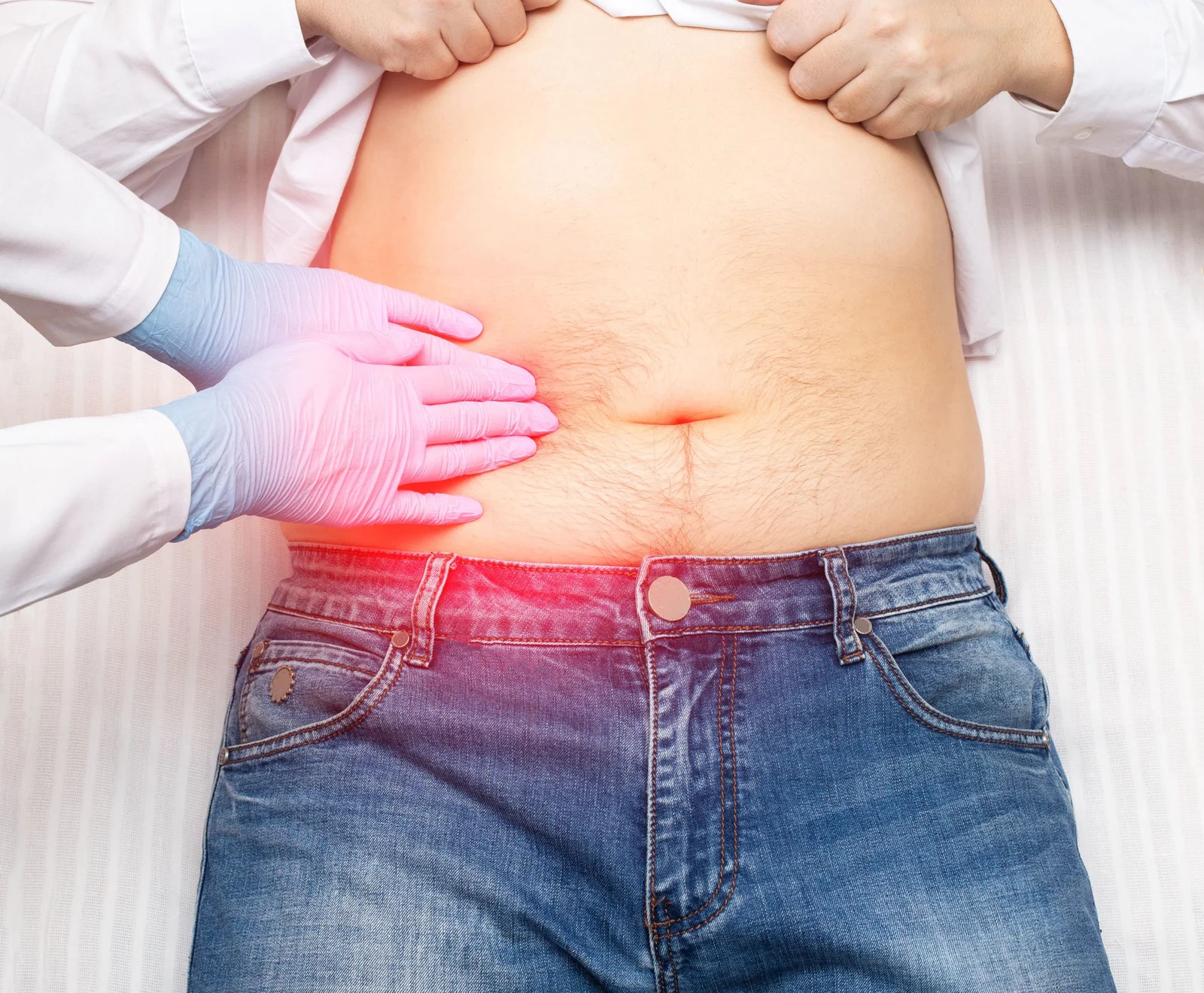
Gallstones are a common health issue affecting individuals worldwide, including in Thailand. These small, hardened deposits form in the gallbladder, an organ located beneath the liver. The gallbladder plays an essential role in digestion by storing and releasing bile, a fluid that aids in breaking down fats. When this balance is disrupted, gallstones can form, leading to discomfort and medical complications.
Gallstones vary in size. Some can be as small as a grain of sand, while others grow as large as a golf ball. The symptoms and impact depend on several factors, including their size and location. For example, gallstones obstructing the bile ducts may lead to intense pain, jaundice, or infections that require immediate treatment. Procedures like Bile Ductoscopy (Bile Ductoscopy) Price (known as การส่องกล้องท่อน้ำดี ราคา in Thai) are often discussed as part of potential diagnostic and treatment processes for individuals experiencing severe symptoms.
Several factors contribute to the formation of gallstones. Diet plays a significant role, particularly in cultures where high-fat meals are common. This is particularly relevant in Thailand, where certain traditional dishes, though delicious, can be rich in fats. Other factors include genetics, rapid weight loss, and certain medical conditions such as diabetes. Women and individuals over the age of 40 are also at higher risk of developing gallstones.
Recognising the Symptoms
Gallstones can sometimes develop without causing any symptoms, a condition referred to as “silent gallstones.” However, when symptoms do present, they are often unmistakable. Common signs include sudden, sharp pain in the upper right abdomen, nausea, vomiting, and bloating. More severe cases may involve a fever or yellowing of the skin and eyes, indicating jaundice.
Given the potential severity of symptoms, seeking medical evaluation at the earliest sign of discomfort is crucial. Diagnosing gallstones typically involves imaging tests such as ultrasounds, which can confirm their presence and size. Blood tests may also be done to check for infections or issues with liver function.
Treatment Options
Treatment for gallstones depends on their size, associated symptoms, and the patient’s overall health. For individuals without symptoms, a “watch-and-wait” approach may be recommended. However, if gallstones cause pain or complications, intervention is necessary.
One of the most common treatments is cholecystectomy, a surgical procedure to remove the gallbladder. This can often be done laparoscopically, meaning the surgery involves smaller incisions and shorter recovery times. Other interventions, such as the use of medications to dissolve gallstones, are less common but may be considered in specific cases.
For those dealing with complications like bile duct obstruction, additional procedures such as endoscopic retrograde cholangiopancreatography (ERCP) are often utilised. This involves inserting a small camera and instruments to remove or bypass stones stuck in the ducts.
Cultural and Dietary Considerations
Understanding the dietary patterns in Thailand is essential when addressing gallstone prevention and management. Consuming a balanced diet low in unhealthy fats and high in fibre can significantly reduce the risk. Incorporating fresh fruits, vegetables, and whole grains into meals is not only helpful for gallstone prevention but also aligns with many traditional Thai dishes that already feature these ingredients. Promoting mindful eating and maintaining a healthy weight are further steps that can help minimise the risk.
When symptoms of gallstones emerge, it’s critical to consult a medical professional promptly. Recognising the causes and available treatments can empower individuals in Thailand and elsewhere to take proactive steps toward managing their health.