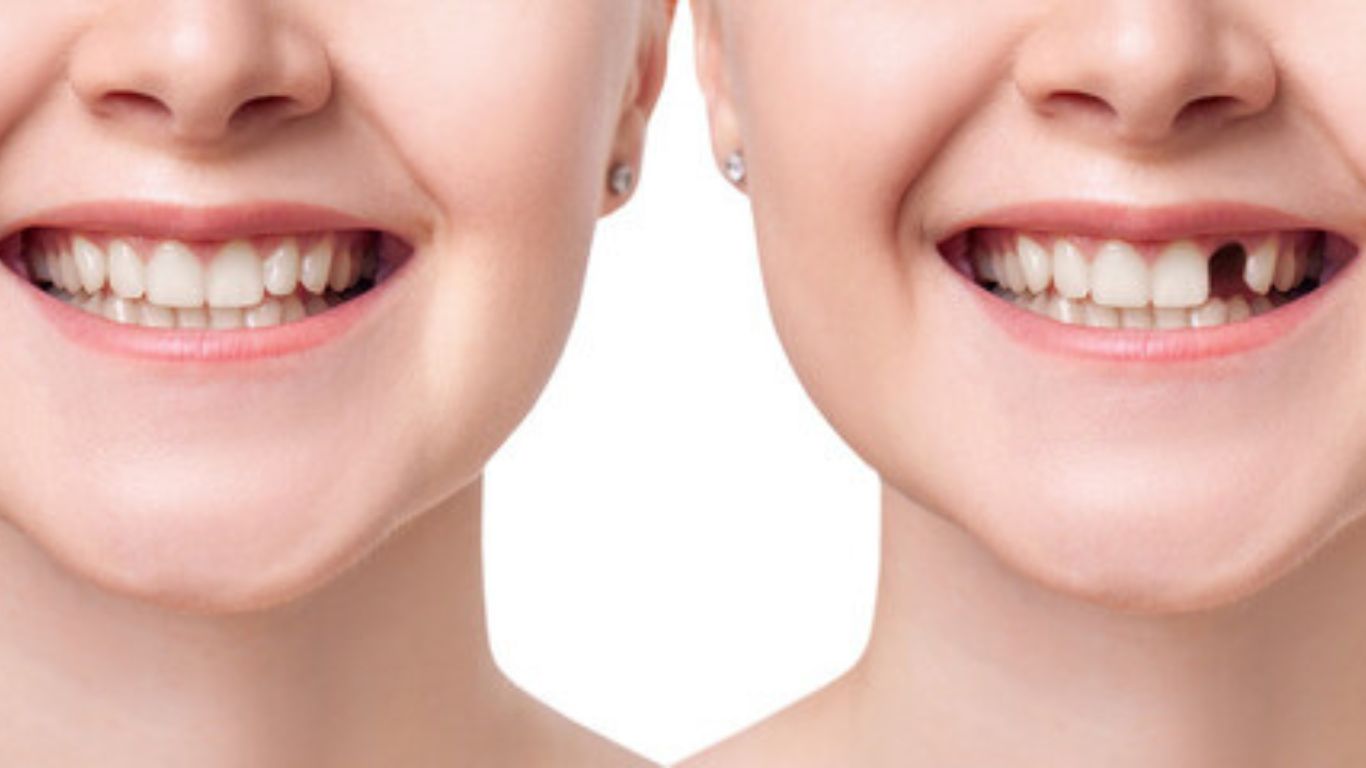
Replacing a missing back tooth is often delayed because the gap does not affect the smile and chewing soon feels normal again. The mouth may have adapted, but it has not stopped changing. The teeth beside the gap can move, the tooth opposite may grow further into the space and the bone beneath the missing tooth gradually loses volume.
At SmileBox Clinic, dental implant Bangkok treatment is available for patients replacing one tooth, several teeth or a full arch. An assessment looks at the size of the gap, the position of the surrounding teeth and the amount of bone available. These details become particularly important when the tooth has been missing for several years and the area has changed since the extraction.
The gap may not stay the same size
Adult teeth remain capable of moving when the space around them changes. When a gap is left open, the teeth on either side may begin to tilt or drift towards it. The tooth directly above or below can also move further out of the gum because it no longer meets an opposing tooth when biting. The amount of movement varies, but even a small change can reduce the room available for a replacement.
Movement may also create areas that are awkward to brush and floss. Food can collect around a tilted tooth or inside a gap that has become narrower at one end. This does not guarantee decay or gum disease, but cleaning becomes more difficult and the neighboring teeth may need closer attention during routine examinations.
Bone changes beneath the gum
The jawbone around a natural tooth responds to pressure from its root during biting and chewing. Once the tooth is gone, the bone in that area no longer receives the same stimulation and begins to shrink. This change happens beneath the gum, so it may not be obvious when looking in the mirror.
The loss of bone may limit the treatment options available later. A dental implant needs enough bone for support and must be positioned with suitable space around nearby roots, nerves and other structures. If the ridge has become too narrow or shallow, bone grafting may be needed before or during implant placement. The treatment can therefore take longer than it might have done when the tooth was first lost.
Many people also begin moving food to the other side of the mouth after losing a tooth. That adjustment may feel comfortable, although it places more of the chewing work on fewer teeth. Hard or fibrous foods may be avoided if the gap makes them difficult to break down. The effect depends on which tooth is missing and the condition of the remaining teeth.
Replacement does not always mean an implant
A missing tooth can be replaced with an implant, a bridge or a removable partial denture, depending on the mouth and the patient’s preferences. In some cases, monitoring the space may also be reasonable, particularly if the bite remains stable and the gap causes no functional problem. That decision should follow an examination rather than the assumption that a hidden gap cannot cause any changes.
An early assessment keeps more options open even if treatment does not begin immediately. The dentist can record the available space, check the bone and watch for movement in nearby teeth. If replacement is planned later, those records show how much the area has changed and what treatment will now be required.