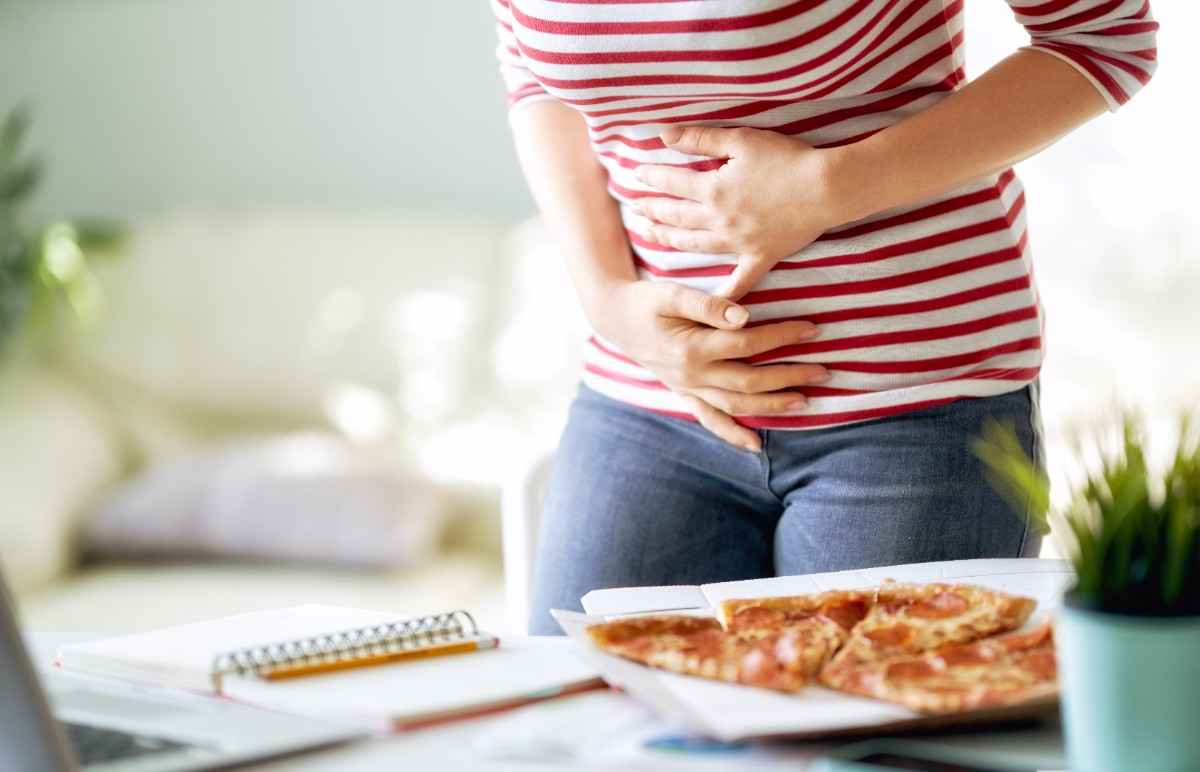
Few experiences are as disruptive and physically taxing as a sudden bout of gastrointestinal distress following a meal. Food poisoning, a result of consuming food or water contaminated with pathogenic bacteria, viruses, or parasites, affects millions of people annually. While nausea and stomach cramps are hallmark indicators, the primary symptom—and the one that causes the most concern—is diarrhea.
To manage recovery effectively and know when to seek professional help, it is essential to understand the different types and severity of diarrhea that can arise from foodborne illnesses. By demystifying how these pathogens affect the gut, we can better navigate the path to recovery.
How Food Poisoning Triggers Diarrhea
When a pathogen enters the digestive system through contaminated food, it doesn’t just pass through; it often colonizes the intestinal lining or releases toxins that disrupt normal function. This interference leads to a sudden influx of water into the bowel or a rapid increase in intestinal muscle contractions (motility).
Depending on the specific pathogen—whether it is Salmonella, E. coli, Norovirus, or Campylobacter—the body’s reaction will vary. This variation is what determines the specific types and severity of diarrhea an individual experiences.
Identifying the Types and Severity of Diarrhea
Not all diarrhea is created equal. From a clinical perspective, identifying the “style” of the symptom can provide clues about the underlying cause and the level of intervention required.
1. Osmotic and Secretory Diarrhea (Non-Inflammatory)
This is the most common form seen in mild-to-moderate cases of food poisoning, often caused by viruses (like Norovirus) or certain bacteria (like Staphylococcus aureus).
- The Mechanism: The toxins produced by the bacteria cause the cells lining the intestine to pump out salt and water into the gut lumen.
- Characteristics: Large volumes of watery, non-bloody stools. It is often accompanied by bloating and nausea but rarely a high fever.
- Severity: Generally considered mild to moderate. The primary risk is dehydration due to the sheer volume of fluid loss.
2. Inflammatory or Bloody Diarrhea (Dysentery)
This type occurs when the pathogen (such as Shigella or certain strains of E. coli) actually invades the intestinal lining, causing damage and inflammation.
- The Mechanism: The body responds to the invasion with an inflammatory strike, which can lead to the presence of blood, mucus, or pus in the stool.
- Characteristics: Frequent, small-volume stools that are often painful to pass (tenesmus).
- Severity: This is a high-severity category. It is usually accompanied by a high fever and significant abdominal pain.
3. Acute vs. Persistent Presentations
- Acute: Most food poisoning cases are acute, lasting anywhere from a few hours to a few days.
- Persistent: If the diarrhea lasts longer than 14 days, it is no longer considered a simple acute episode and may point to a parasitic infection or a secondary complication like post-infectious IBS.
Assessing Severity: The Three-Tier System
Determining the severity of diarrhea is crucial for deciding between home care and a hospital visit.
| Severity Level | Typical Symptoms | Recommended Action |
| Mild | 1–3 loose stools per day; no fever; minimal cramping. | Hydration and rest; monitor symptoms. |
| Moderate | 4–6 stools per day; low-grade fever; significant cramping and urgency. | Oral Rehydration Solutions (ORS) and symptomatic anti diarrhea medicine. |
| Severe | 7+ stools per day; high fever ($>38.5^{\circ}\text{C}$); blood in stool; signs of dehydration. | Seek medical attention immediately. |
Managing Recovery: Steps to Take at Home
Once you have identified the type and confirmed that the severity of diarrhea is within a manageable range (mild to moderate), the goal shifts to supporting the body as it clears the pathogen.
A. Prioritize Rehydration
Because the gut is actively losing water and electrolytes, drinking plain water is often insufficient.
- ORS (Oral Rehydration Solutions): These provide the perfect balance of glucose and salts to force the intestines to absorb water even during a secretory diarrhea state.
- Avoid Irritants: Steer clear of dairy, caffeine, and high-sugar drinks, which can worsen osmotic diarrhea.
B. Symptomatic Relief with Medicine
When the frequency of stools becomes exhausting or prevents you from resting, targeted anti diarrhea medicine can be utilized.
- How it helps: Most over-the-counter options work by slowing down the movement of the intestines. By increasing the “dwell time” of the food in the colon, the body has a better chance of reabsorbing fluids, which firms up the stool and reduces the “dash to the bathroom.”
- A Note of Caution: If you suspect severe inflammatory diarrhea (marked by blood or high fever), consult a doctor before using anti-motility medicine, as the body may need to expel the specific pathogen more quickly.
C. The Gradual Return to Food
The “BRAT” diet (Bananas, Rice, Applesauce, Toast) is a classic starting point for food poisoning recovery. These foods are low-fibre and easy on the stomach. As the severity of symptoms decreases, you can gradually introduce lean proteins like boiled chicken.
Prevention: Breaking the Cycle
Understanding food poisoning also means recognizing how to prevent its spread. Pathogens are often transmitted via the “fecal-oral” route, meaning hygiene is paramount during and after an episode.
- Hand Hygiene: Use soap and warm water for at least 20 seconds, especially after using the restroom.
- Surface Sanitization: Clean “high-touch” areas like toilet handles and faucets with disinfectant.
- Food Safety: Ensure meats are cooked to safe internal temperatures and avoid cross-contamination by using separate cutting boards for raw proteins and vegetables.
Summary: Navigating Foodborne Illness
While food poisoning is an unpleasant ordeal, most cases can be managed effectively with a clear understanding of the types and severity of diarrhea. By prioritizing hydration, utilizing anti diarrhea medicine for moderate symptom relief, and keeping a close watch for “red flag” symptoms like blood or high fever, you can ensure a safe and steady recovery.
If you are ever in doubt about the severity of your condition, or if symptoms persist for more than 48 hours without improvement, always reach out to a healthcare professional for a tailored diagnostic evaluation.