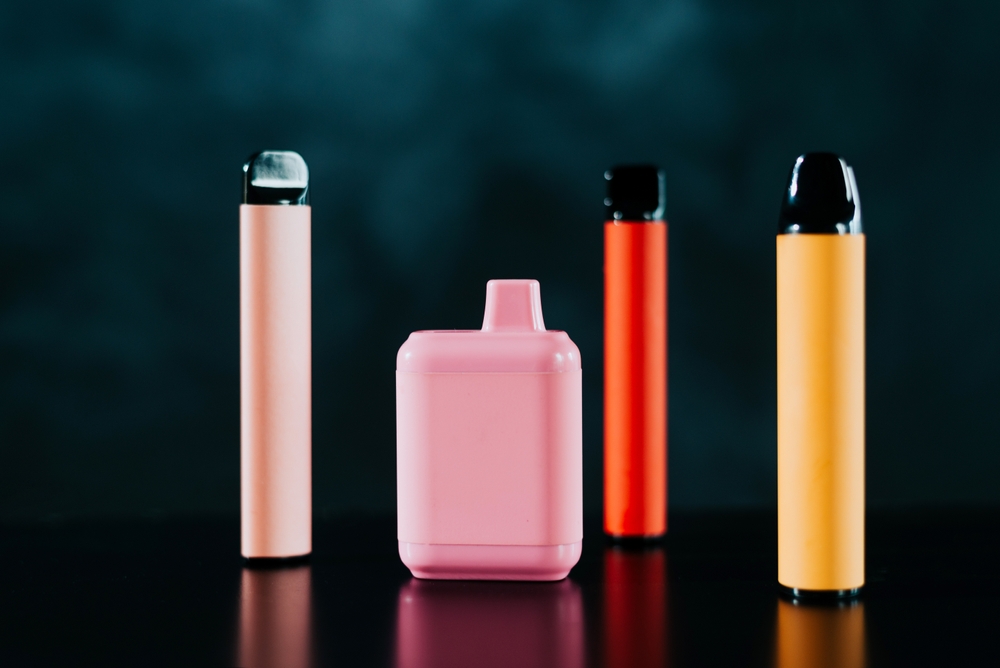
Walking through the bustling streets of Bangkok or Chiang Mai, you might notice sweet-smelling clouds of vapour. Disposable e-cigarettes have become incredibly popular across Thailand. People often view them as harmless alternatives to traditional smoking. However, doctors and health experts are raising serious concerns about what these colourful gadgets actually do to the human body.
At first glance, a small pod device (known as พอตตัวเล็ก in Thai) seems convenient and simple to use. It fits easily into a pocket and comes in flavours resembling local Thai desserts or tropical fruits. Hiding inside that plastic shell is a mixture of chemicals heated by a metal coil. When you inhale, you pull those vaporised chemicals directly into your lungs.
The primary concern centres around high nicotine levels. Many disposable vapes contain synthetic nicotine salts, which the body absorbs rapidly. This fast absorption leads to intense addiction, particularly among young adults and teenagers. In Thailand, where public health campaigns actively fight tobacco addiction, the rise of these highly addictive pods presents a fresh challenge to schools, universities, and families. The adolescent brain remains under development until the mid-twenties. Introducing concentrated nicotine during this crucial growth phase can alter brain chemistry, affecting attention, learning, and impulse control.
Beyond nicotine, the vapour carries heavy metals and dangerous compounds. As the internal battery heats the liquid, the metal coil degrades. This degradation releases microscopic particles of lead, nickel, and chromium directly into the user’s airways. Continuous exposure to heavy metals degrades lung tissue and severely reduces respiratory capacity. For residents of Northern Thailand or Bangkok who already endure heavy PM2.5 air pollution during the dry season, inhaling artificial chemical vapour places immense additional stress on the lungs. The combination of urban smog and concentrated vaping aerosols creates a dangerous recipe for chronic asthma and bronchitis.
The synthetic flavourings that make these products so appealing hide entirely different dangers. Manufacturers use a variety of chemicals to mimic the taste of mango, lychee, or iced cola. While food authorities might classify these flavourings as safe for eating, they are often entirely unsafe for inhalation. Heating these chemicals alters their molecular structure, producing toxic aldehydes. Diacetyl, one widely used flavouring chemical, causes permanent scarring in the tiny air sacs of the lungs. Many daily users report developing persistent coughs, unexpected throat irritation, and a heavy feeling in their chests after only a few months of regular use.
The cardiovascular system also suffers significantly. Nicotine spikes blood pressure and forces the heart to beat faster. Over time, this constant cardiovascular stress damages blood vessels and increases the risk of heart attacks. Young, otherwise healthy individuals are arriving at clinics with alarming heart palpitations and high blood pressure directly tied to their daily vaping habits.
Understanding these health risks helps you make informed choices about your lifestyle. Disposable pods might look like harmless accessories on the shelf, but they deliver a potent mix of addictive substances and toxic chemicals. As medical researchers continue studying the long-term impacts, the current scientific evidence points clearly to severe respiratory and cardiovascular damage. Protecting your health requires recognising the hidden dangers inside these modern vaping products.