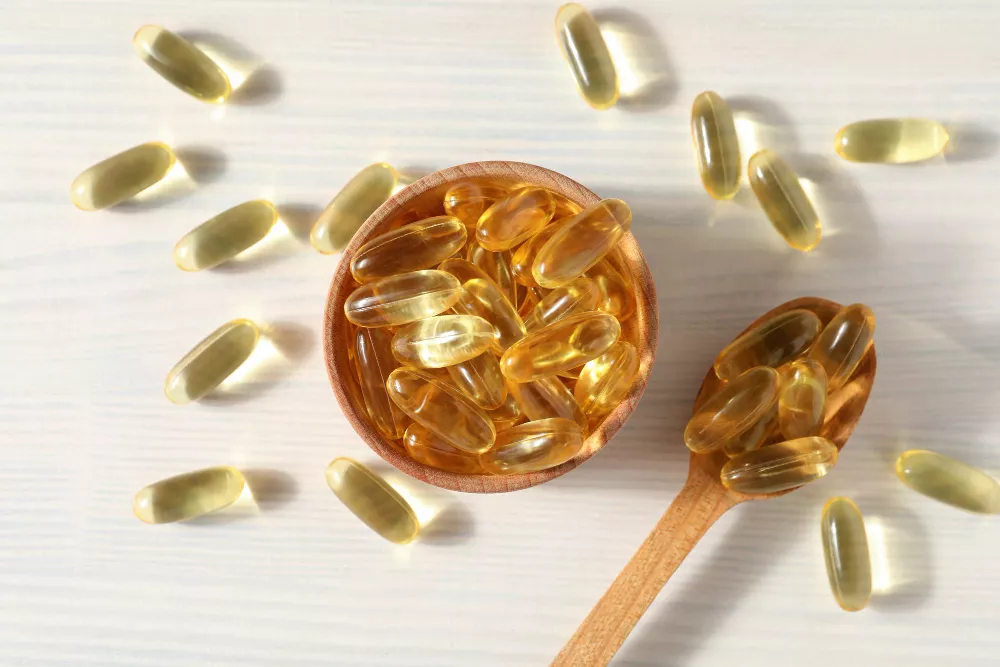
Cod liver oil differs from many standard fish oils because it can contain naturally occurring vitamins alongside omega-3 fatty acids. That combination creates additional opportunities for product developers, but it also makes specification and quality control more complex. Choosing a cod liver oil manufacturer requires close attention to fatty-acid content, vitamin standardisation, oxidation, contaminant testing and the way the oil is protected during storage and transport.
The manufacturer should be able to supply an oil that is nutritionally consistent without allowing natural variation in the raw material to undermine label accuracy or finished-product stability.
Define the Nutritional Profile Clearly
A cod liver oil specification should distinguish between the total quantity of oil and the amounts of DHA, EPA, vitamin A and vitamin D it contains. These values influence serving size, permitted claims and the amount of oil required in each capsule or liquid dose.
Naturally occurring nutrient levels can vary according to the raw material and processing method. Manufacturers may therefore need to standardise the oil to achieve a consistent commercial specification. Buyers should understand whether this is done through blending, concentration or the addition of selected nutrients.
Vitamin A deserves particular care because excessive intake can create safety concerns. Product developers need to calculate the contribution from every ingredient in the finished formulation rather than considering the oil in isolation.
Freshness Must Be Protected Throughout the Supply Chain
Marine oils are vulnerable to oxidation, which can create unpleasant flavours and gradually reduce quality. Exposure to heat, light and oxygen can occur during processing, filling, transport and repeated opening of the final pack.
A manufacturer should provide relevant oxidation measurements for each batch and explain the limits applied at release. These figures are most useful when the testing method and sample timing remain consistent.
Processing and packing systems should minimise contact with air. Antioxidants may support stability, but they cannot compensate for poor handling or oil that has already deteriorated. Buyers should also consider how the oil is transported, particularly when shipments pass through warm climates or long storage periods.
Purity and Traceability Need More Than a General Certificate
Marine ingredients require controls for environmental contaminants, including heavy metals and selected persistent pollutants. The applicable limits depend on the destination market and intended consumer group.
Batch-specific certificates are more valuable than generic statements because they connect the test result to the material actually being supplied. Traceability should also identify the source species, processing site and relevant production lot.

Responsible-sourcing claims need supporting evidence. Buyers should understand where the livers are obtained, whether they come from food-production streams and how the manufacturer verifies the origin of the raw material.
Allergen information and any dietary restrictions must be communicated accurately. Refinement does not make a fish-derived oil suitable for consumers who need to avoid fish ingredients.
The Final Format Changes the Technical Requirement
Softgel capsules, bottled liquids and emulsified products expose the oil to different risks. Capsule shells need to remain compatible with the fill material, while bottled products are exposed to oxygen every time the consumer opens the container.
Flavour is especially important in liquid formats. Lemon or other flavour systems may improve acceptance, but they should enhance fresh oil rather than disguise deterioration. Sensory testing needs to continue throughout shelf-life work.
Packaging should limit light and oxygen while remaining easy to use. A large bottle may reduce packaging cost but remain open for much longer after first use, increasing the challenge of maintaining quality.
A dependable supplier provides more than a compliant oil on the day it leaves the factory. The manufacturer should support consistent nutrition, controlled oxidation and documentation that allows the finished brand to stand behind every serving throughout its stated shelf life.