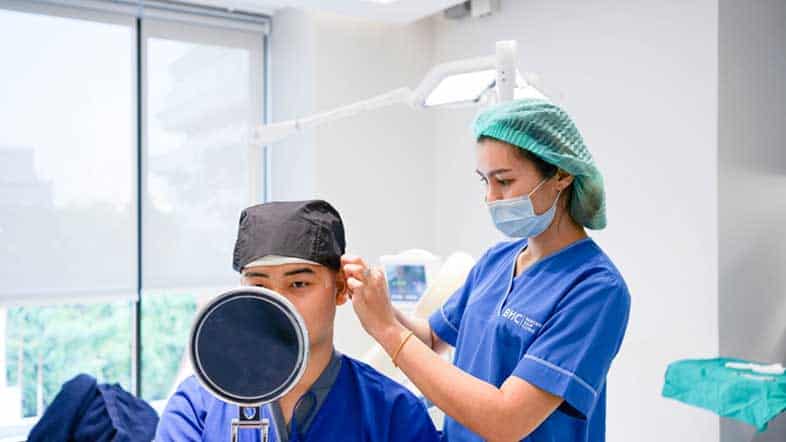
Anyone researching a FUT hair clinic in Bangkok is usually already looking beyond surface-level marketing. FUT is not the newest-sounding option, and that is exactly why many patients come to it after doing more serious reading. They want to understand which method best suits their level of hair loss, their donor area, and their long-term goals. In the right circumstances, FUT can still be a very sensible choice, particularly for patients who need a larger number of grafts and want a treatment plan built around efficiency and future donor management rather than trends.
FUT Still Has A Clear Place In Modern Hair Restoration
It is easy to assume that newer or more talked-about techniques automatically replace older ones, but hair restoration does not work like consumer technology. The best method depends on the individual. FUT remains relevant because it can offer important advantages for certain patients, especially those with more advanced hair loss or those who need to make careful use of their donor area.
The reason is straightforward. In suitable cases, FUT can allow a clinic to harvest a significant number of grafts while managing the donor zone in a structured way. That can be valuable when the treatment goal is not just a modest touch-up, but a more substantial restoration plan that may need to account for future sessions as well.
Patients who understand this often approach consultation differently. They are not asking which technique sounds most modern. They are asking which one makes the most sense for their hair characteristics, their pattern of loss, and the result they want to live with over time.
Larger Restoration Cases Need Careful Donor Planning
One of the most important ideas in hair transplantation is that donor hair is limited. Once grafts are used, they are used. That means the clinic has to think strategically from the start, especially when a patient has significant thinning across the front, mid-scalp, and crown or is likely to continue losing native hair as the years go on.
This is where FUT can become particularly relevant. For patients needing higher graft numbers, it may offer a way to approach harvesting more efficiently while preserving options for future planning. That does not mean it is always the right route, but it does explain why it remains part of serious clinical decision-making rather than something left behind.
Patients sometimes arrive expecting the clinic to confirm the technique they have already chosen online. A better clinic will step back and assess the wider picture. If the patient needs broad coverage, has suitable donor characteristics, and is open to the recovery profile of FUT, it may be recommended because it serves the long-term plan more effectively.
The Right Patient Often Cares More About Outcome Than Fashion
A lot of online discussion around hair transplantation is shaped by visibility. Some techniques attract more attention because they are easier to market around short hairstyles, fast recovery talking points, or current patient preferences. FUT tends to appeal to a different kind of patient, one who is willing to think more practically.
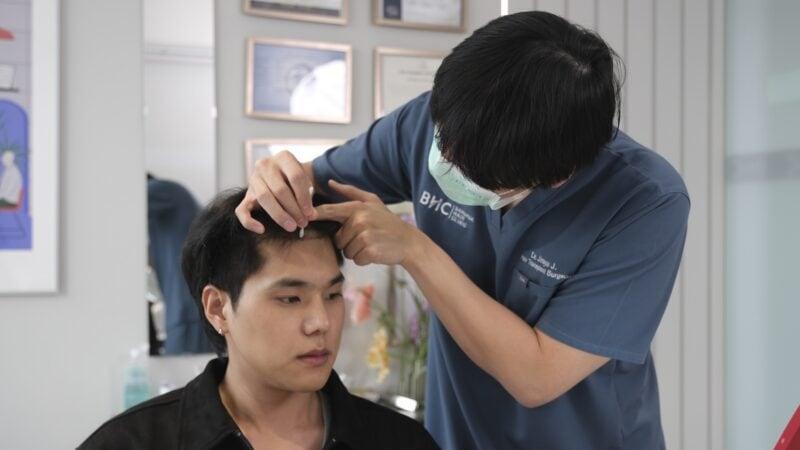
This patient may wear their hair longer at the back and be less concerned about the idea of a linear scar being hidden within that hair. They may be far more interested in securing a strong number of usable grafts and achieving the best overall cosmetic improvement. They are not choosing based on what sounds most fashionable. They are choosing based on what may deliver the strongest strategic result.
That is an important distinction. Hair transplantation should never be reduced to branding. It is a medical and aesthetic procedure that needs to suit the person, not the current trend cycle. For some patients, FUT fits that need exceptionally well.
Clinic Experience Matters Enormously With FUT
Because FUT involves precise donor strip removal, careful closure, and high standards of graft dissection, clinic skill plays a major role in how successful the procedure will be. This is not an area where patients should think only in terms of price or convenience. A good clinic must be able to assess candidacy properly, explain the healing process honestly, and show clear judgement in how the donor area is managed.
That is especially relevant in Bangkok, where patients may be comparing several clinics and trying to work out who is offering genuine expertise rather than simply broad procedure menus. A strong clinic should explain why FUT may or may not be suitable, what the scar implications are likely to be, how recovery compares with other methods, and what the plan would look like over the longer term.
Patients should come away from consultation with a real understanding of trade-offs. That is usually a sign that the clinic is focused on outcomes rather than sales. FUT is not something to be sold casually. It should be recommended only when it genuinely supports the patient’s best interests.
Bangkok Gives Patients Access To Serious Treatment Planning
Bangkok has become an important centre for elective and aesthetic medical care because patients can access specialist treatment in a city that is both well connected and medically established. For hair restoration patients, that matters. They want experienced assessment, clear logistics, and the ability to move through consultation, treatment, and recovery in a setting that feels organised and professional.
For someone considering FUT, this can be especially useful. The decision often requires more discussion and more nuanced planning than a quick online comparison can provide. Being able to consult with a clinic in a major medical city helps patients make that decision more confidently.
FUT remains relevant because good hair restoration is not about choosing the most fashionable label. It is about choosing the right method for the person in front of the clinic. For patients with the right donor profile, the right level of hair loss, and the right long-term goals, FUT can still be a highly effective option. The key is finding a clinic that understands when it truly makes sense and has the experience to carry it out well.