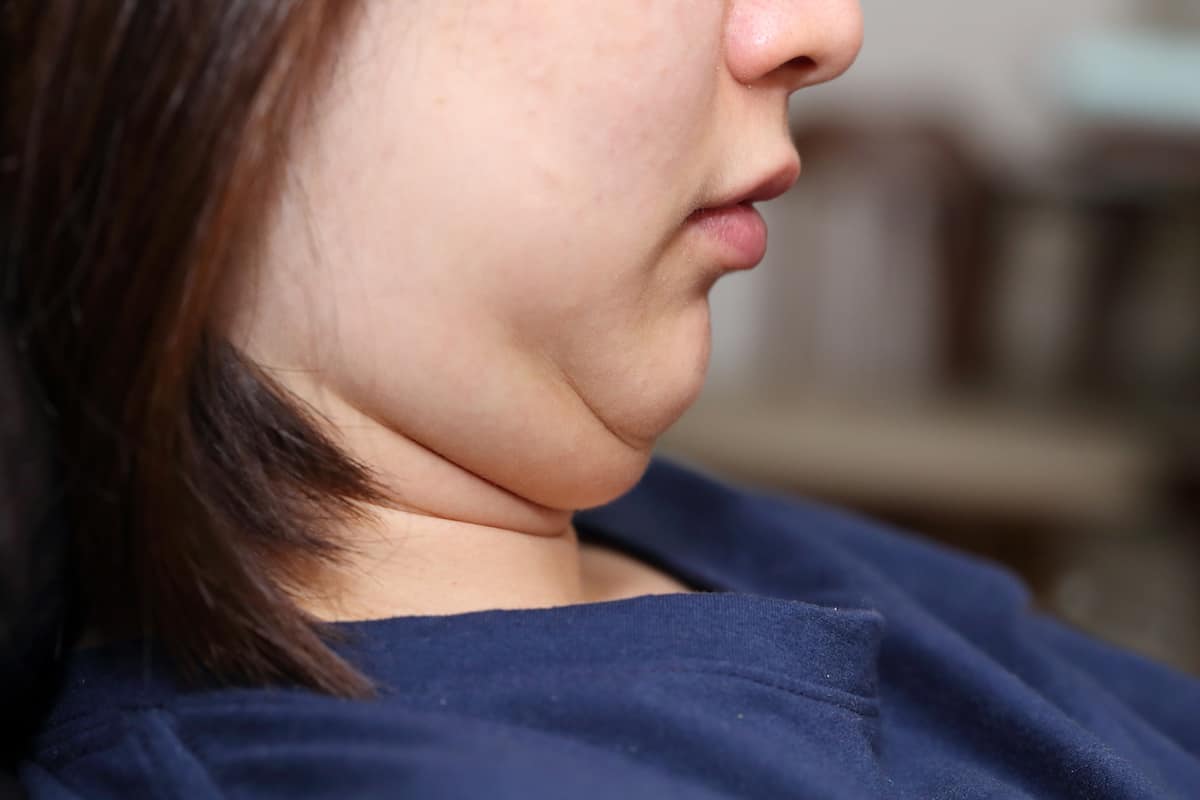
Tilt your head down while someone snaps a photo, and you will meet a fold under your chin that you did not order and would very much like to return. It has a talent for showing up in every unflattering picture at once, as though the two of you had planned it together. Naturally, the first instinct is to blame the bathroom scale.
Here is the part almost nobody mentions before booking a consultation: a double chin is not always fat, and it is not always about weight. Sometimes the fullness under the chin is loose skin that has simply stopped springing back into place. That distinction matters more than it sounds, because a search for double chin treatment in Singapore clinics run today turns up several very different technologies, and each one solves only one of those two problems. Pick the wrong one and you have paid good money to fix a chin that was never broken in the way you assumed.
Fat Or Skin, Not Both
Before anyone mentions machines or price lists, there is a simpler question worth answering first: is the fullness under your chin fat, or is it skin?
A stubborn fat pad sits there whether you have lost ten kilograms or not lost any at all. It behaves less like extra weight and more like a small, opinionated tenant that ignores diet and exercise entirely. Skin laxity, on the other hand, is a structural issue. The collagen scaffolding underneath has thinned with age or sun exposure, so the skin no longer holds itself taut against the jaw.
Both look almost identical in a photograph. They are not remotely identical to treat.
The Pinch Test Nobody Advertises
There is a low-tech way to get a rough answer before you ever see a practitioner, and it costs nothing.
- Sit upright and look straight ahead, chin level, not tucked down.
- Gently pinch the skin under your chin between two fingers.
- Notice whether you are pinching a thick, padded fold, or mostly thin skin with very little underneath.
A thick, easily grabbed fold usually points toward fat as the main issue. Thin skin that simply hangs loosely, with not much to pinch, points toward laxity instead. This is not a diagnosis, only a starting point for the conversation with whoever assesses your chin properly.
Why Losing Weight Often Fails
This is the advice everyone gives, and it is often wrong. Submental fat can behave completely independently of total body fat. Plenty of people at a perfectly healthy weight carry a defined pocket under the chin that never budges, no matter how disciplined the diet becomes.
That mismatch is exactly why so many people try months of extra cardio, see no change in the one area they actually wanted to change, and give up thinking nothing will ever work. The fat was never going to respond to general weight loss, because it is stored differently from fat elsewhere on the body.
What Fat Reduction Actually Does
Treatments built around destroying or dissolving fat cells target the padded tenant directly. Injectable fat-dissolving treatments and cooling-based fat reduction both work on this principle, gradually shrinking the fat layer over several weeks as the body clears it away.
These treatments do very little for skin that has already lost its bounce. If the fold under your chin is mostly loose skin stretched over very little fat, dissolving fat that is barely there will not tighten anything. You would be treating a problem that is not present.
What Skin Tightening Actually Does
For the loose-skin version of the problem, the goal shifts from removing tissue to encouraging the skin itself to contract and firm up. Ultrasound-based tightening treatments work beneath the surface, prompting the skin’s own collagen to rebuild gradually over the following months, rather than removing anything at all.
This is the quieter, slower option of the two, and it tends to suit people whose chin fold moves and jiggles more than it sits firm, since firmness is precisely what is missing.
Whichever category your chin falls into, the honest answer usually only becomes clear after someone experienced actually looks at the skin and the tissue underneath it, rather than guessing from a mirror at ten in the evening under unkind bathroom lighting.
That fold under the chin is rarely the moral failing it is made out to be, and it is almost never solved by the same fix for everyone. Work out whether you are dealing with fat, skin, or a bit of both, ask good questions before committing to any single treatment, and let the answer, rather than the nearest advertisement, decide what happens next.