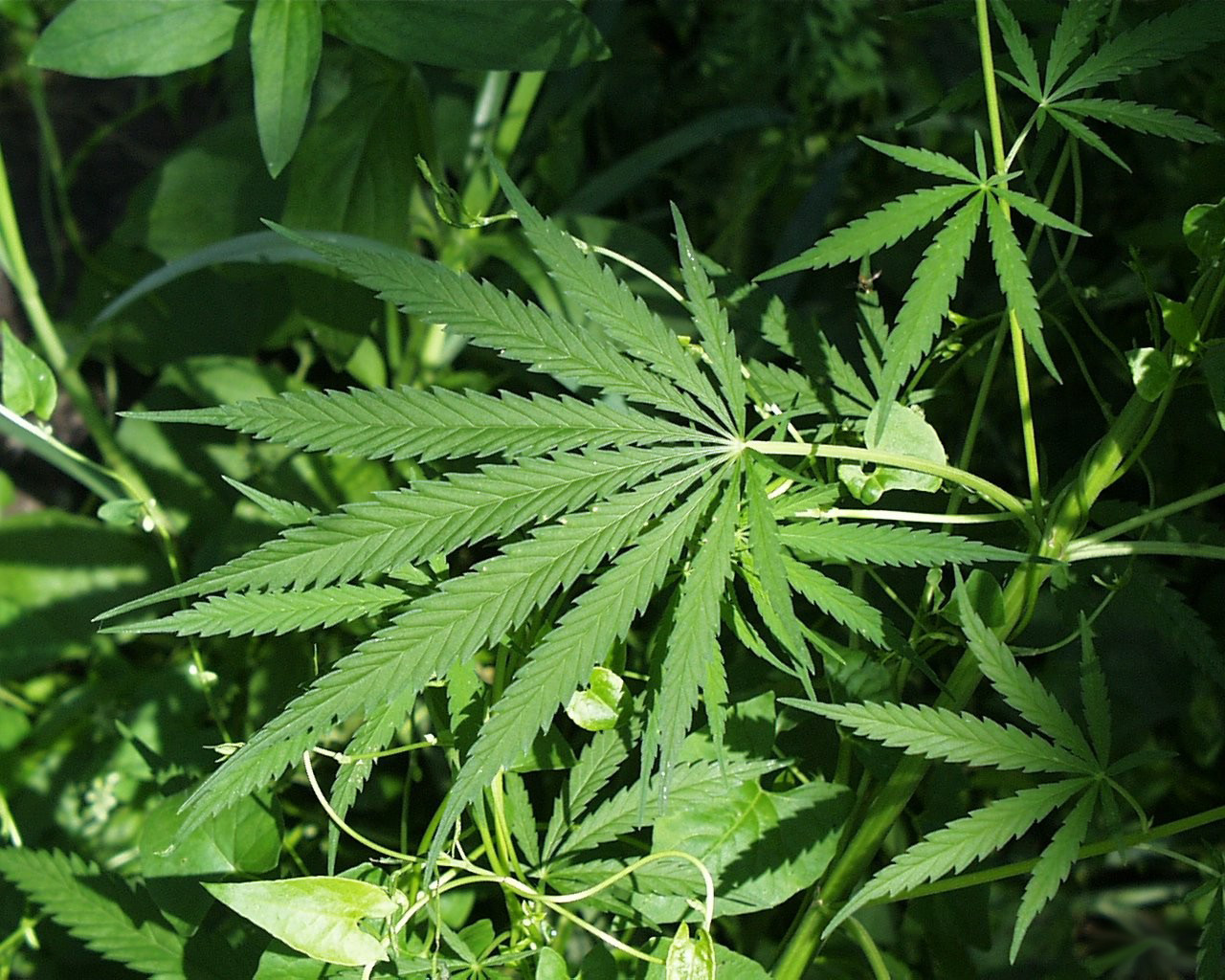
Cannabis descriptions sometimes use A, AA, AAA or AAAA to place dried flower within a quality hierarchy. The extra letters suggest a progression, but they do not explain how the judgement was reached. Appearance, trimming, aroma and the condition of the flower may all contribute, with different suppliers giving those characteristics different weight.
If you want to understand a cannabis quality meaning, start with how the supplier defines A-grade flower. The description should explain which characteristics determine the grade, such as trimming or flower condition, rather than leave you to guess from the letter alone.
What the letters describe
Within these informal systems, single-A generally occupies the lower end and repeated As indicate a higher assessed grade. Some descriptions associate the lower categories with less carefully trimmed material or a greater proportion of small pieces. Higher categories tend to emphasise the presentation of intact flowers and their handling after harvest. These are descriptions of a grading approach, rather than universal specifications attached to each letter.
That distinction prevents several mistaken assumptions. An A label does not establish a particular THC percentage, and AAAA does not identify a medical indication. Nor can the letters alone tell you whether a product has been tested for contaminants. Those questions require information that a visual or commercial grade does not provide.
Separate presentation from measured information
A photograph can show the shape of a flower and some visible defects, but lighting, camera settings and the choice of sample influence the image. It cannot establish a batch’s cannabinoid content or rule out contamination. An attractive photograph and a detailed laboratory report answer different questions.
Laboratory analysis can measure specified compounds and test for particular contaminants. California’s Department of Cannabis Control, for example, describes testing categories that include cannabinoids, pesticides, heavy metals and microbial impurities. Its certificates of analysis report results against the requirements of that jurisdiction. This illustrates the kind of evidence involved, rather than setting a rule for products elsewhere.
A report also needs to correspond to the material being described. The sample identifier, batch reference and testing date help establish that connection. A certificate for another batch cannot support an unqualified claim about everything sold under the same cultivar name. Equally, a cannabinoid result says nothing about substances that were not included in the testing panel. The document should state what was tested and show the result, with units and any reporting limits, rather than displaying a laboratory logo.
Storage introduces a further limit. Health Canada notes that cannabinoids can change with exposure to light, heat and oxygen, so measurements describe a product at a particular point. A grading label does not document what happened after testing or packaging.
Terms such as indoor, outdoor and greenhouse describe growing environments. They should be read separately from letter grades, which may incorporate a supplier’s judgement about the finished flower. Where two descriptions seem to conflict, the definitions matter. Ask what characteristic each term actually records and whether it refers to the cultivation method, the condition of the material or a measured result from an identified batch.