Stand at a bus stop in Singapore at two in the afternoon and you learn things about your thighs. Shorts ride up. Skin meets skin. The air is thick enough to lean on, and in it a small voice gets louder, the one that says this part of you has not changed in years, whatever you did at the gym.
That voice is not wrong, exactly. Thigh fat is stubborn, and much of the advice about it aims at the wrong target. If you have started looking into thigh slimming in Singapore, it is worth understanding first why the inner and outer thigh hold on so tightly, and which tools can reach them at all.
Why the Thighs Hold On
Fat is not laid down evenly, and it is not given up evenly either. Where your body stores fat first, and where it lets go last, is shaped largely by your genes and hormones. For many people, and for women especially, the hips and thighs are the deep storage, the cellar rather than the kitchen shelf.
So you can lose weight steadily and watch your face and arms grow leaner while your thighs barely move. This is not failure. It is simply the order in which your body draws down its reserves, and the thighs are near the end of the queue.
The Exercise Myth Worth Letting Go
Most of us were taught that inner thigh squeezes melt inner thigh fat. The body does not work that way. In a 2013 study published in the Journal of Strength and Conditioning Research, volunteers trained just one leg on a leg press for weeks. The trained leg did not lose fat on its own. Where fat did come off, it came off elsewhere in the body.
Here is the twist most guides skip. Leg training builds muscle under the fat, and in the early weeks that can make your thighs look firmer but no smaller, sometimes even a touch larger. Keep training, because strong legs matter for life. Just do not expect squats alone to change the fat layer sitting on top.
A Simple Test Before You Spend
Non-surgical fat reduction is body sculpting, not weight loss. It suits a narrow set of circumstances, and knowing whether you are in them saves you money. Before booking anything, check yourself against three questions.
- Has your weight stayed within a kilogram or two for at least three months?
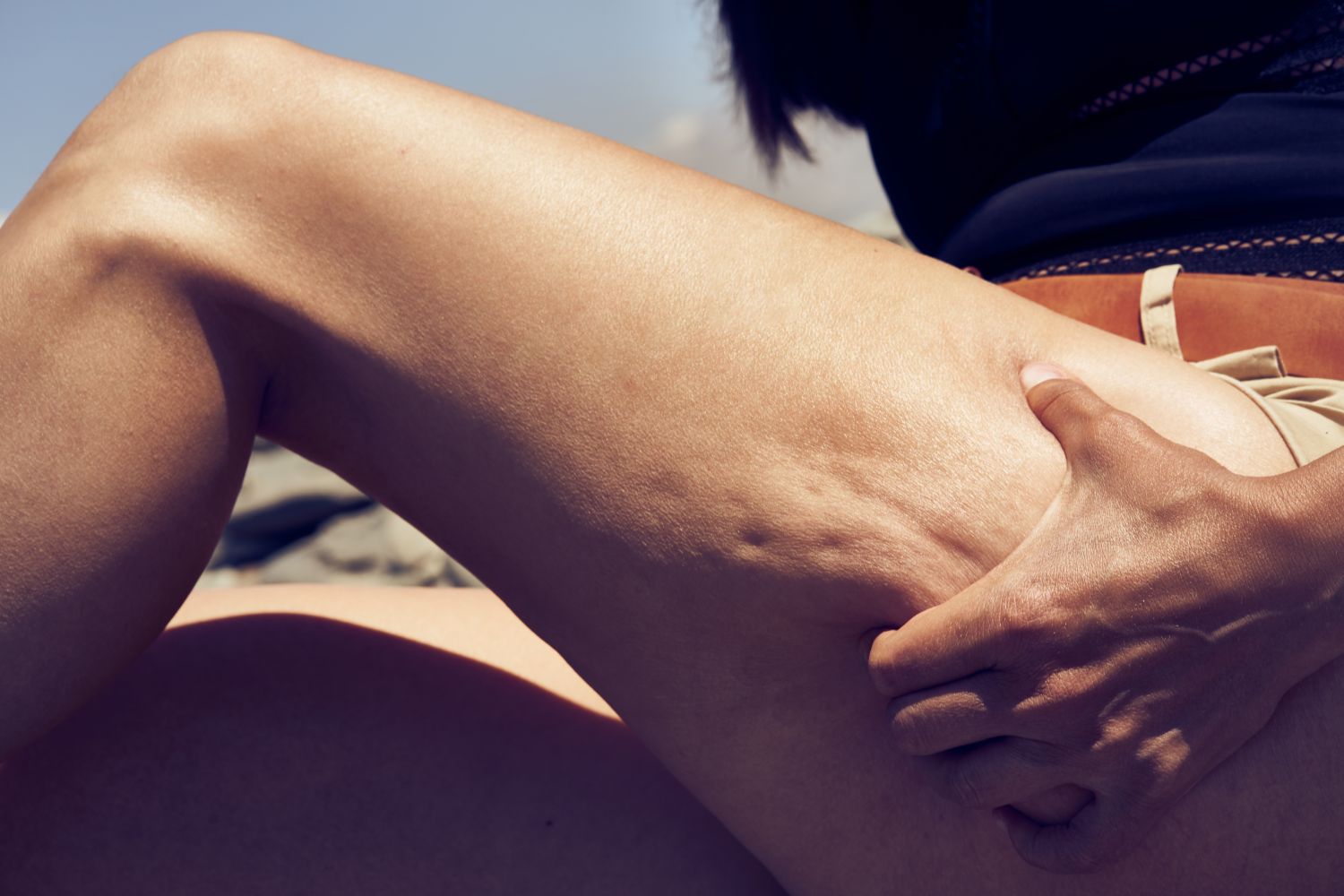
- Can you pinch a soft fold of fat on your inner or outer thigh?
- Has that area stayed the same despite steady exercise and sensible eating?
If you can answer yes to all three, a contouring treatment has something real to work on. If your weight is still swinging, put your energy there first. Treating a target that keeps moving is like painting a wall that is still being built.
What Treatment Actually Does
Most non-surgical options work on the same quiet principle. Controlled energy, often heat from radiofrequency, is directed at the fat layer to disrupt fat cells while leaving the skin above them unharmed. Your body then clears those cells away slowly, over weeks, through its own systems.
That slowness explains the structure of a typical plan. Instead of one dramatic visit, you usually have a course of several sessions spaced about a week apart. Each one nudges the layer down a little, and the change gathers quietly, the way a tide goes out.
Stop Asking the Scale
Here is the most common and most costly mistake. People finish a few sessions, step on the bathroom scale, see the same number, and decide nothing happened. But fat is bulky for its weight. A small loss of it changes your shape far more than it changes the scale.
Measure the thing you care about instead. Pick a spot, say fifteen centimetres above the top of your kneecap, and wrap a soft tape around your thigh there. Measure at the same spot every two weeks, in the morning, before breakfast. Take a photo in the same light, standing in the same place. Even a centimetre or two shows up in these records long before it shows on a scale.
Questions Worth Asking a Clinic
A good clinic will welcome questions and answer them plainly. Ask who the treatment is not suitable for. Pregnancy and metal implants in the treatment area are common reasons to rule it out, and a careful clinic raises them before you do.
Ask how many sessions a full course usually takes, and what the whole course costs, not only the first trial visit. Ask what happens if your weight changes later. The honest answer is that the fat cells cleared from your thighs are gone, but the cells that remain can still grow if your habits slip.
The thigh is a patient part of the body. It keeps its stores long after the rest of you has moved on, and it will not be argued with by leg lifts alone. Meet it on its own terms, with steady habits, honest measurements and, when the timing is right, a treatment that reaches the layer exercise cannot. Then one hot afternoon at the bus stop, the voice may finally have less to say.