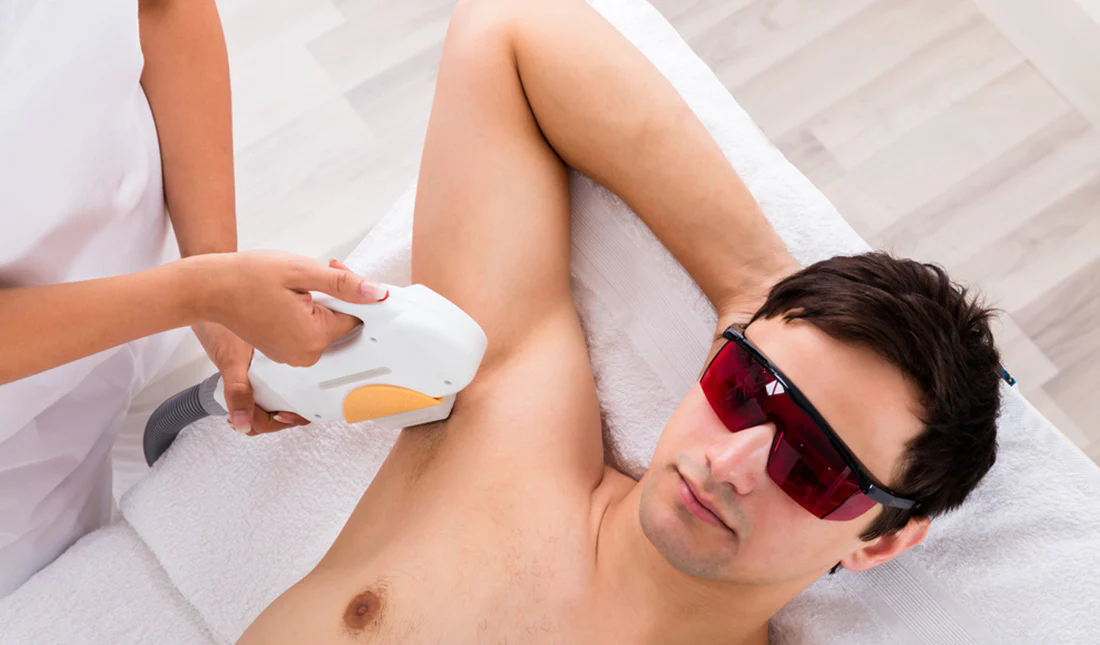
In recent years, the adoption of laser treatments among men in the UK has shown steady growth, with procedures such as hair removal and skin rejuvenation becoming integral to modern grooming practices. Data from leading clinics indicate a 33 per cent annual increase in male bookings for these services. This trend is particularly evident in London, where the demands of professional life and social engagements encourage efficient aesthetic solutions. This article examines five primary motivations behind men’s preference for laser treatments, drawing on current industry insights and practical considerations relevant to urban dwellers. A specialist at Medspa Beauty Clinic observes that men increasingly value treatments offering precise, durable results tailored to active lifestyles, minimising disruption to daily schedules.
Enhancing Professional Image in Competitive Environments
Men in London often face high-stakes professional settings where appearance plays a subtle yet significant role in perceptions of competence and reliability. Laser hair removal for men, including targeted hair reduction and skin resurfacing, provide a refined look that aligns with these expectations without apparent effort. For instance, procedures like laser hair removal on the neck or face can eliminate uneven stubble, ensuring a consistently groomed appearance during long workdays or client meetings.
This motivation stems from the evolving standards in male grooming, where a polished exterior signals attention to detail. According to industry reports, nearly one in four men undergoing aesthetic procedures cite career advancement as a factor, with laser options preferred for their subtlety. In London’s financial districts, such as the City or Canary Wharf, professionals in finance and law report that smooth, irritation-free skin from laser sessions contributes to a confident demeanour in boardrooms and networking events. The technology targets melanin in hair follicles or skin imperfections, delivering results that appear natural rather than contrived.
Moreover, the procedure’s minimal downtime—typically allowing return to work the same day—fits seamlessly into packed calendars. Clinics in central London report that executives schedule sessions during lunch breaks, appreciating the non-invasive nature that avoids the redness associated with traditional shaving. This practicality extends to industries like media and tech, where video calls and public speaking demand flawless visuals. A survey of UK male clients found that 45 per cent viewed laser hair removal as essential for maintaining a professional edge, particularly in hybrid work models post-pandemic.
Beyond aesthetics, these treatments foster a sense of preparedness. Men who once struggled with razor burn or patchy regrowth now present with uniform contours, enhancing overall poise. In a city where first impressions can influence promotions or partnerships, this motivation underscores laser treatments as an investment in occupational success. As London’s workforce diversifies, with more men embracing self-care routines, the procedure’s role in bridging personal grooming and professional demands becomes increasingly apparent.
The integration of advanced systems, such as diode lasers, ensures efficacy across skin tones common in multicultural London, broadening accessibility. Practitioners emphasise pre-treatment consultations to customise wavelengths, mitigating risks and maximising outcomes. This tailored approach not only elevates appearance but also reinforces a proactive stance on health and presentation, vital in competitive sectors.
Streamlining Daily Routines for Busy Lifestyles
London’s relentless pace leaves little room for time-intensive grooming rituals, making laser treatments a favoured choice for men seeking efficiency. Traditional methods like shaving or waxing demand frequent repetition, often leading to skipped routines amid commutes and deadlines. Laser procedures offer a semi-permanent alternative, reducing maintenance to occasional touch-ups and freeing up valuable hours.
Consider the average man in his thirties navigating tube delays and evening commitments: laser hair removal on the back or chest can eliminate weekly waxing sessions, which might otherwise consume 30 minutes or more per instance. Clinics note that men represent 17 per cent of laser hair removal patients, with back and chest areas topping the list for treatment. This shift is driven by the procedure’s cumulative effect—after six to eight sessions spaced four to six weeks apart, hair growth diminishes by up to 90 per cent, according to clinical standards.
In practical terms, this streamlining extends to travel and leisure. A man preparing for a weekend getaway to the Cotswolds or a business trip to Manchester no longer worries about packing razors or scheduling salon visits. The treatment’s precision, using concentrated light to disable follicles, ensures consistent results regardless of hormonal fluctuations that affect manual methods. For active professionals, this means more time for gym sessions or family outings rather than bathroom marathons.
Furthermore, the reduced need for post-shave products alleviates the clutter of grooming kits, appealing to those with minimalist habits. Data from UK aesthetic surveys highlight time-saving as the top reason for male uptake, with 62 per cent of respondents prioritising it over cost in initial decisions. London’s diverse boroughs, from Islington’s creative hubs to Kensington’s affluent enclaves, see men opting for laser sessions that align with shift patterns, such as early mornings before peak-hour rushes.
Safety protocols, including cooling mechanisms in modern devices, ensure comfort during treatments lasting 15 to 45 minutes, depending on the area. Post-procedure care is straightforward—avoiding sun exposure and applying soothing lotions—allowing immediate resumption of routines. This efficiency not only conserves time but also promotes consistency, as men report higher adherence to grooming when barriers are lowered.
As urban life accelerates, laser treatments represent a logical evolution in male self-maintenance, transforming what was once a chore into a one-time strategic choice.
Achieving Long-Term Cost Savings Amid Economic Pressures
With household budgets under scrutiny in the current economic climate, men are evaluating grooming expenses through a value-for-money lens. Laser treatments emerge as a prudent option, offering upfront investment that yields savings over years compared to recurring costs of razors, creams, and salon appointments.
A full course of laser hair removal, typically priced between £200 and £500 per area in London clinics, contrasts sharply with the annual outlay for disposables—estimated at £150 to £300 for dedicated users. Over five years, the procedure pays for itself, with maintenance sessions rare after initial completion. Industry analyses project the UK laser hair removal market to grow at 12 per cent annually through 2031, fuelled by this economic rationale.
For men in mid-career, facing rising living costs in zones like Zone 2 London, this calculation resonates. Laser addresses persistent issues like ingrown hairs from shaving, which can incur additional dermatological fees. By targeting the follicle’s root, it prevents regrowth, eliminating the cycle of replacement products that degrade in quality over time.
Comparative studies show that electrolysis, an alternative, requires more sessions and thus higher cumulative costs, while laser’s speed—covering large areas like the torso in under 30 minutes—optimises value. Men in sectors like construction or hospitality, where physical presentation matters, find the durability justifies the expenditure, especially with package deals from reputable providers.
This motivation also ties to sustainability; fewer single-use plastics from razors align with eco-conscious trends among younger professionals. Clinics report a 85 per cent rise in male inquiries for laser over the past year, often citing fiscal prudence. In London, where disposable income varies, the procedure’s scalability—treating small zones like ears or full bodies—accommodates diverse budgets.
Ultimately, the savings extend beyond monetary to encompass reduced opportunity costs, allowing reallocation of funds to priorities like education or travel. This pragmatic appeal positions laser treatments as a financially astute choice in an era of calculated spending.
Promoting Skin Health and Comfort in Active Pursuits
Engaging in sports or fitness regimes, common among London’s male population, exposes skin to friction and sweat, exacerbating issues from conventional hair removal. Laser treatments mitigate these by fostering smoother, less irritated surfaces, enhancing overall comfort and recovery.
Shaving-induced razor burn or waxing’s micro-tears can lead to infections, particularly in humid gym environments like those in Soho or Shoreditch. Laser, by contrast, uses selective photothermolysis to heat and destroy follicles without surface damage, resulting in supple skin less prone to folliculitis. Clinical evidence supports up to 70 per cent reduction in ingrown hairs post-treatment.
Athletes and weekend warriors appreciate this benefit; cyclists or runners in Hyde Park report fewer chafing incidents after chest or leg sessions. The procedure’s anti-inflammatory effects, from gentle heat, also soothe conditions like pseudofolliculitis barbae, prevalent in bearded men.
In London’s wellness scene, where CrossFit boxes and yoga studios proliferate, men seek treatments that support rather than hinder activity. Post-laser, skin barrier function improves, aiding hydration and resilience against urban pollutants. Surveys indicate 52 per cent of male clients prioritise health outcomes, viewing laser as preventive care.
Hygiene gains further amplify comfort—reduced hair minimises bacterial harbouring in areas like the groin or underarms, ideal for swimmers at local pools. With sessions tailored to hair cycles, results build progressively, avoiding the peaks and troughs of temporary methods.
This health-centric motivation reflects broader shifts in male wellness, where grooming intersects with physical optimisation. By prioritising skin integrity, laser treatments enable sustained participation in pursuits that define urban vitality.
Boosting Personal Confidence Through Subtle Transformations
In social contexts, from dating apps to pub gatherings, men leverage laser treatments to cultivate self-assurance rooted in understated enhancements. The procedure’s ability to refine features—like a cleaner jawline or even skin tone—instils a quiet empowerment without overt alteration.
Psychological studies link grooming to elevated mood, with 68 per cent of men reporting heightened confidence after laser hair removal courses. In London’s vibrant singles scene, this translates to more engaging interactions, as individuals feel at ease in fitted shirts or open-neck collars.
The subtlety appeals to British reserve; results mimic natural grooming rather than intervention. For those with hypertrichosis or scarring, the restoration fosters normalcy, alleviating self-consciousness in intimate settings.
Clinics observe this as a gateway treatment, with 40 per cent of male clients progressing to complementary services like pigmentation correction. In diverse communities, from Brixton’s cultural hubs to Hampstead’s leafy enclaves, the inclusivity of tone-adaptive lasers broadens appeal.
This confidence extends professionally and personally, reinforcing identity in a city of reinvention. Men describe a ripple effect—better posture, bolder conversations—stemming from aligned self-perception.
Conclusion: A Forward-Looking Choice for Modern Men
Laser treatments encapsulate a blend of practicality and progress, addressing multifaceted needs in men’s lives. From London’s boardrooms to its parks, these procedures equip individuals with tools for efficiency, economy, health, and poise. As trends indicate sustained growth—projected at 15 per cent for male aesthetics by 2030—these motivations will likely deepen, normalising laser as a staple in grooming arsenals.
For those considering options, consultations with certified providers ensure informed decisions. In a landscape where time and presentation matter, embracing laser signifies not vanity but strategic self-investment.