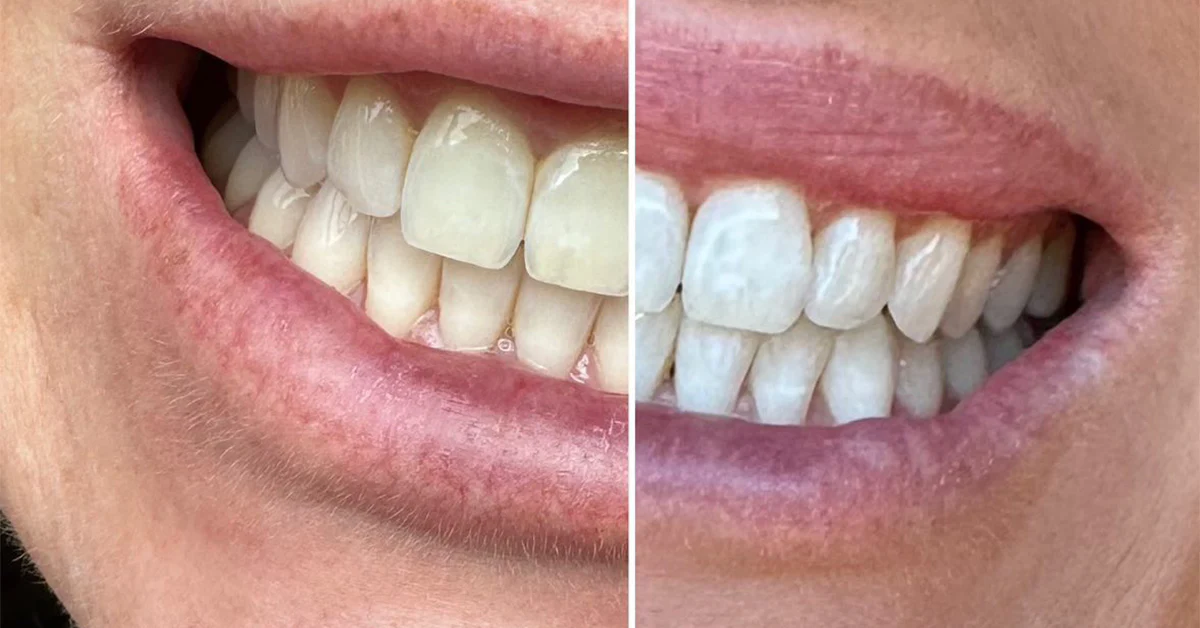
A bright, healthy smile is more than a cosmetic goal — it reflects strong teeth and healthy gums. Two key factors in achieving and maintaining that smile are effective plaque removal and proper teeth whitening. While both address different aspects of oral care, they are closely linked: removing plaque not only protects your teeth and gums but also creates the ideal foundation for safe and effective whitening.
Understanding how plaque affects your oral health and how to safely whiten your teeth is essential for a confident, radiant smile.
What Is Plaque and Why Is It Important to Remove It?
Plaque is a soft, sticky film of bacteria that constantly forms on your teeth. It develops after eating or drinking and can quickly accumulate along the gumline and between teeth. If plaque is not removed through daily brushing and flossing, it hardens into tartar, which can only be removed professionally.
Plaque buildup is more than a cosmetic concern. The bacteria in plaque produce acids that attack tooth enamel, leading to tooth decay and gum irritation. Additionally, plaque can contribute to bad breath and increase the risk of gum disease. Removing plaque effectively is the first step in protecting your teeth and preparing them for whitening treatments.
How Plaque Removal Supports Teeth Whitening
Teeth whitening works by breaking down stains on the enamel and sometimes within the dentin layer of the teeth. If plaque or tartar is present, the whitening agents may not penetrate evenly, resulting in uneven coloration or reduced effectiveness.
By ensuring that teeth are clean and free from plaque, you:
- Enhance the results of whitening treatments
- Reduce the risk of irritation or sensitivity caused by bleaching agents
- Create a healthier environment that supports long-lasting whitening results
Essentially, plaque removal is the foundation of any safe and effective whitening regimen.
Safe Methods for Plaque Removal
Maintaining a plaque-free mouth requires consistent care and proper techniques. Here are essential steps:
- Brush Twice Daily: Use a soft-bristled toothbrush and fluoride toothpaste, brushing for at least two minutes each time. Focus on all surfaces of the teeth and along the gumline.
- Floss Daily: Flossing removes plaque and trapped food particles between teeth where brushing alone cannot reach.
- Rinse with Antiseptic Mouthwash: A daily rinse reduces bacteria, helping prevent plaque formation and supporting gum health.
- Maintain Regular Dental Cleanings: Even with excellent home care, professional cleaning removes hardened tartar and ensures your teeth are in optimal condition for whitening.
- Healthy Diet Choices: Limit sugary and acidic foods and drinks, which fuel plaque-producing bacteria. Include crunchy fruits and vegetables that naturally help clean teeth.
By following these steps, you can prevent plaque accumulation, protect your enamel, and ensure a smoother whitening experience.
Understanding Teeth Whitening
Teeth whitening is a cosmetic dental procedure designed to remove stains and lighten the color of teeth. There are several options:
- In-Office Whitening: Performed by a dentist using stronger bleaching agents for faster, uniform results.
- At-Home Whitening Kits: Custom trays or strips with mild bleaching agents that gradually brighten teeth.
- Whitening Toothpastes and Rinses: Non-bleaching formulas that remove surface stains over time.
Whitening is generally safe when teeth are healthy and plaque-free. It is less effective or potentially irritating if plaque, tartar, or enamel erosion is present.
Combining Plaque Removal and Whitening for Optimal Results
To achieve a truly bright and healthy smile, it’s important to integrate plaque removal with whitening:
- Start with a Clean Canvas: Remove all plaque and tartar through brushing, flossing, and professional cleaning.
- Assess Tooth Health: Ensure there are no cavities, gum inflammation, or sensitivity that could be aggravated by whitening.
- Choose the Right Whitening Method: Work with your dentist or use dentist-approved at-home products to achieve safe, effective results.
- Maintain Daily Oral Hygiene: Continue brushing, flossing, and rinsing to prevent plaque buildup and maintain whitening results.
A clean, healthy mouth ensures that whitening treatments are safe, effective, and long-lasting.
Preventing Plaque Buildup After Whitening
Even after successful whitening, plaque prevention remains essential:
- Brush twice daily with fluoride toothpaste
- Floss daily
- Rinse with an antiseptic mouthwash
- Limit sugary and acidic foods and beverages
- Attend regular dental checkups and professional cleanings
Consistent care helps preserve your whitening results while protecting your teeth and gums from decay, inflammation, and bad breath.
The Takeaway
Plaque removal and teeth whitening are interconnected steps in maintaining a bright, healthy smile. Removing plaque not only protects against cavities and gum disease but also ensures that whitening treatments work safely and effectively. By combining consistent oral hygiene with professional guidance, you can enjoy a radiant smile that reflects both beauty and oral wellness.
Healthy teeth and gums are the foundation for a confident, long-lasting smile — and the right care today ensures your teeth stay bright and strong for years to come.